Garage Wall Storage Systems Compared
As an Amazon Associate I earn from qualifying purchases.
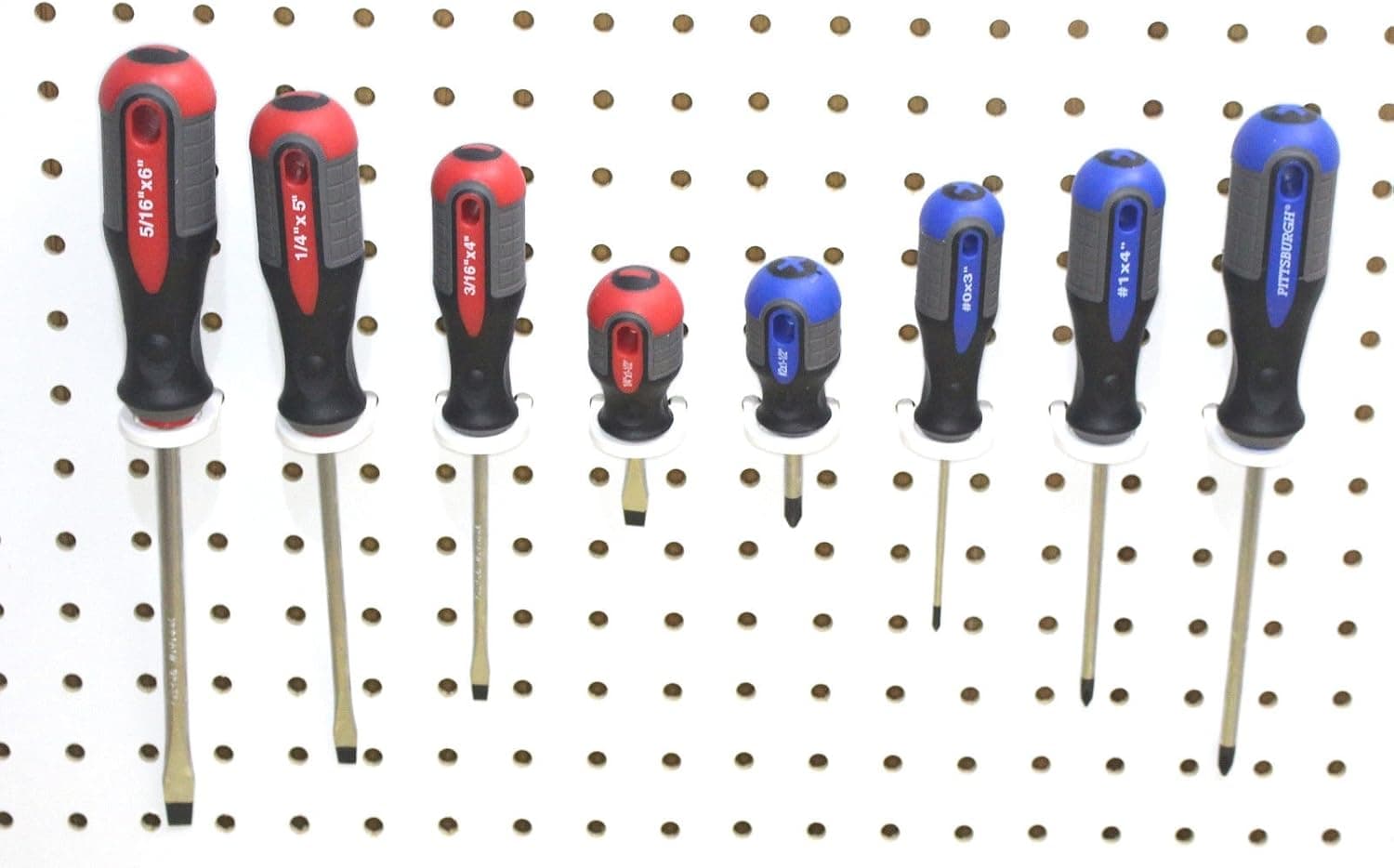
Wall storage is the fastest way to reclaim a cluttered garage, but the four main systems each behave very differently once real tools hang on them. Pegboard, slatwall, French cleats, and wire grid walls all promise a tidy vertical surface, yet they diverge sharply on cost, weight capacity, and how easily you can rearrange things. Choosing well starts with an honest inventory of what you actually need to hang and how heavy it is.
Pegboard is the classic budget option and still earns its place. A sheet of tempered hardboard or metal pegboard costs little, mounts on furring strips to create hook clearance, and accepts an enormous range of cheap hooks. It shines for hand tools, small clamps, and anything under a few pounds. Its weakness is load: standard hardboard pegboard flexes and tears out under heavy items, and hooks pop loose when you grab a tool quickly. Metal pegboard solves much of this and holds far more weight, though it costs several times as much per square foot.
Slatwall, the horizontal grooved panel system borrowed from retail displays, is the premium middle ground. PVC or MDF slatwall panels lock together to cover an entire wall in a clean, finished look, and the accessory ecosystem is huge: baskets, shelves, hooks, and bins all slide into the grooves and lock at any horizontal position. PVC slatwall resists moisture and holds impressive weight, often 50 pounds or more per running foot when installed into studs. The tradeoffs are higher upfront cost and a more involved installation, since panels must be fastened carefully to framing.
French cleats are the woodworker's favorite for good reason. You mount a series of 45-degree beveled rails across the wall, then build or buy matching cleated holders for each tool. The result carries serious weight, since the load transfers straight into the studs, and holders lift off and reposition in seconds. Cleats handle everything from a single screwdriver holder to a loaded shelf of power tools. The catch is labor: you either build custom holders or buy them, and the initial ripping of cleat stock takes time. For anyone who enjoys shop projects, that is a feature rather than a bug.
Wire grid panels, sometimes sold as garage grid or mesh systems, split the difference on price and flexibility. They mount quickly, accept hooks and baskets, and let you see through to the wall, which some people prefer visually. They handle medium loads well but can feel flimsy under heavy tools, and the hook selection is narrower than slatwall. They work best in utility corners, near a potting bench, or for lighter sporting and cleaning gear rather than a full tool wall.
Match the system to the load and to how often you rearrange. If your tools are light and your budget is tight, metal pegboard covers most needs. If you want a whole-wall finished look with heavy capacity and easy adjustment, slatwall is worth the investment. If you love building and want maximum strength with total customization, French cleats cannot be beaten. Many well-organized garages actually blend systems, using slatwall or cleats for the heavy workbench wall and pegboard for a light utility corner.
Whatever you choose, the installation fundamentals stay constant: find your studs, fasten into framing rather than drywall anchors alone, and keep the bottom of the panel above bench height so hung tools clear your work surface. Plan the layout on the floor before you drill, grouping tools by the jobs they serve. Done right, a wall system turns a chaotic pile into an at-a-glance armory where every tool has a visible, reachable home.