How to Fix an Air Compressor That Will Not Build Pressure
Published How we research
A garage air compressor that runs continuously without filling the tank, or loses pressure soon after shutting off, wastes electricity and wears out the motor. Most causes are simple: an open drain valve, air leaks at fittings, a clogged intake filter or a failing check valve. Working through these checks often gets the compressor back to full pressure without a service call. Always unplug and depressurise the compressor before inspecting parts.
Start with valves and settings
Make sure the tank drain valve at the bottom of the tank is fully closed. It is easy to leave it slightly open after draining condensation. Also check that the regulator is not simply set low, which can make it look like the tank is not filling.
Confirm that the pressure switch is set correctly and that the compressor is plugged into a properly rated outlet. Long, thin extension cords reduce voltage and can prevent the motor from reaching full performance.
Find air leaks
Leaks at quick couplers, hose fittings, the regulator and the tank connections are very common. With the tank pressurised and the compressor off, spray soapy water on fittings and watch for bubbles.
Tighten loose fittings and rewrap threaded connections with thread seal tape. Replace worn couplers and hoses, since cheap couplers often leak even when new.
Clean the intake filter
A clogged air intake filter restricts how much air the pump can draw in, so the tank fills slowly or never reaches cut-out pressure. Garages are dusty, and filters clog faster than many owners expect.
Remove the filter cover, clean or replace the element according to the manual and never run the compressor without a filter. Check it more often after sanding, cutting or sweeping in the garage.
Check the check valve and unloader
The check valve lets air into the tank but stops it flowing back toward the pump. If it fails, you may hear air hissing from the unloader valve continuously after the motor stops, and the tank pressure drops.
A stuck unloader valve can release air while the compressor runs, preventing pressure from building. Both parts are inexpensive to replace on many models, but follow the manufacturer's instructions and depressurise the tank fully first.
Worn pump parts and maintenance
If there are no leaks and valves work, worn piston rings, reed valves or gaskets inside the pump may be the cause. Oil-lubricated compressors need regular oil changes, and running low on oil accelerates wear.
Drain condensation from the tank after each use to prevent internal rust, which weakens tanks over time. Compressors with rusted or damaged tanks should be replaced, not repaired, for safety.
Products from this article
The highest-scoring picks from the buying guides mentioned above. Scores are our editorial assessment, not customer ratings.
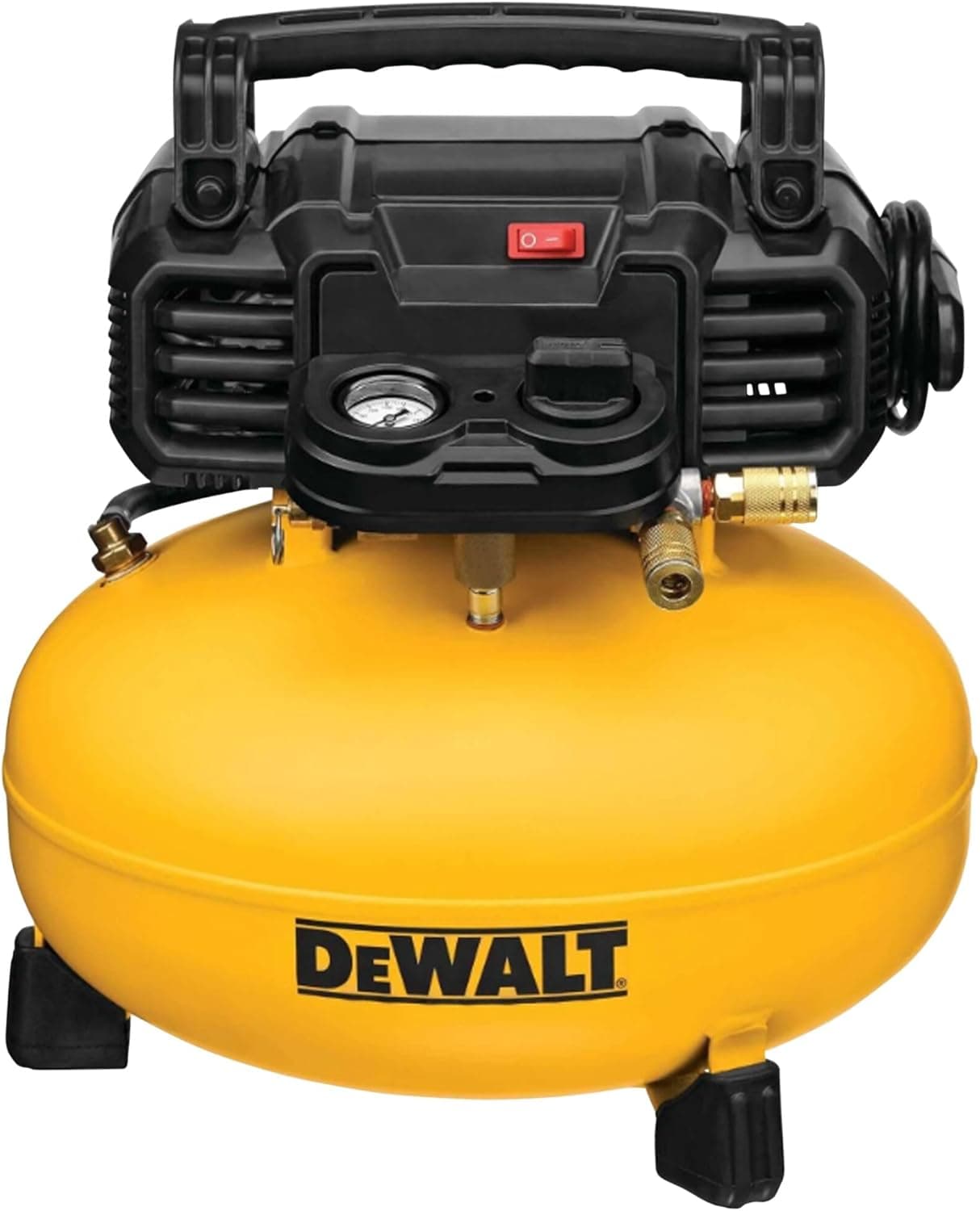
+ 165 PSI max stores more air than lower-pressure pancake rivals
From our guide: Best Air Compressors
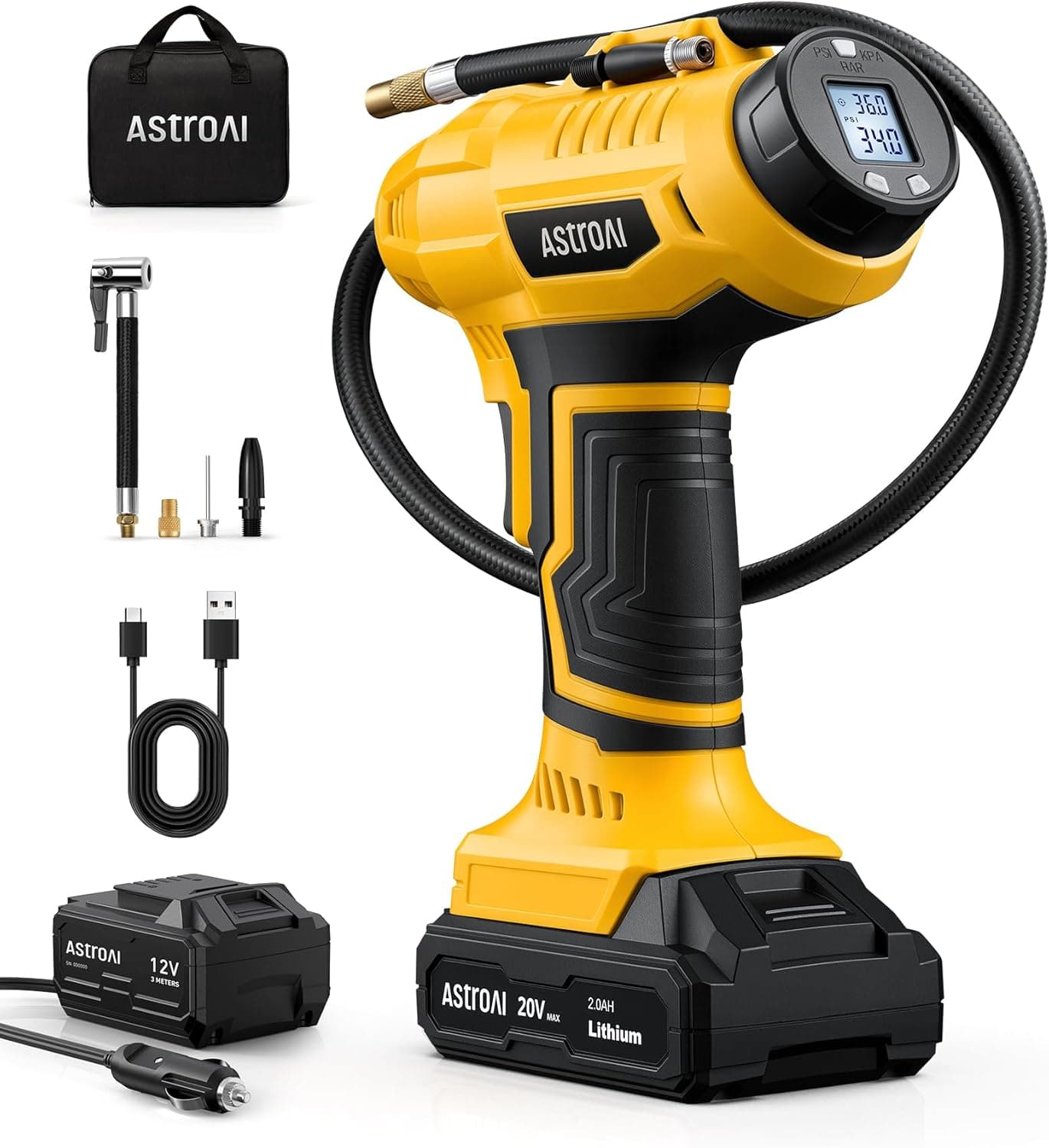
+ 160 PSI max handles car, truck and bike tires
From our guide: Best Tire Inflators
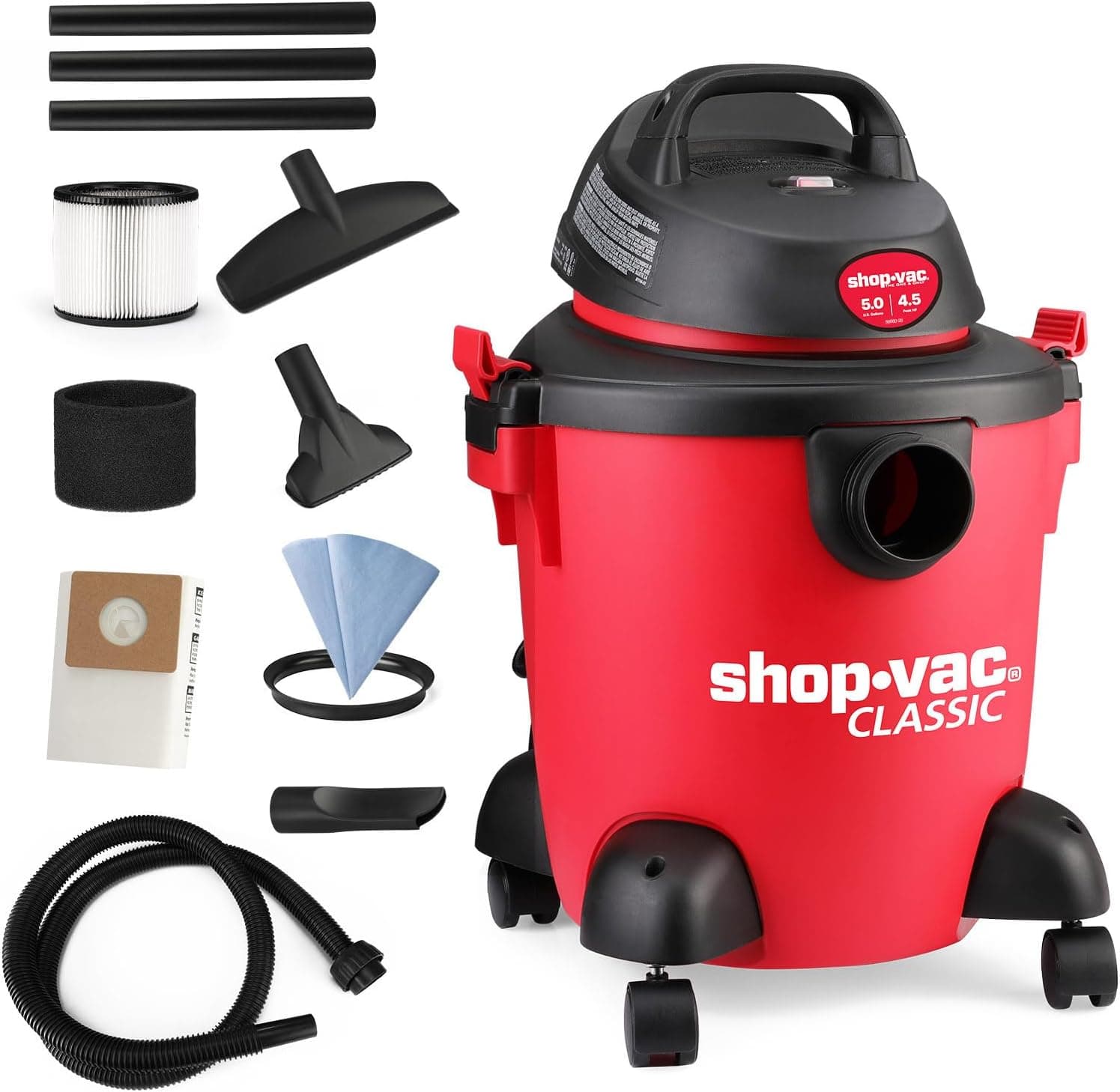
+ 3 in 1 function adds a blower to wet and dry vacuuming
From our guide: Best Shop Vacuums
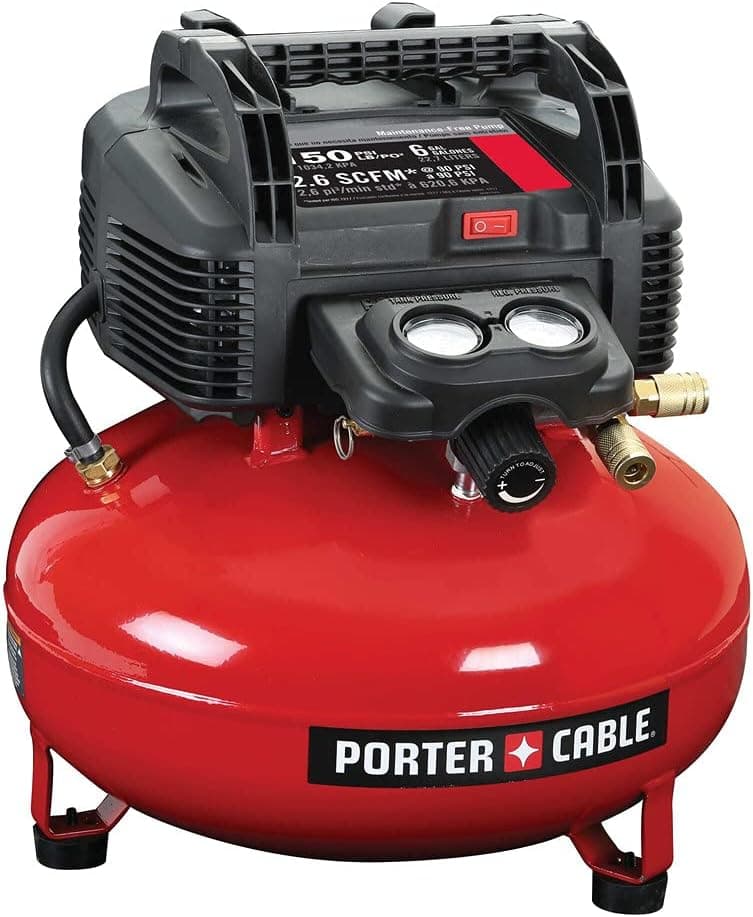
+ 2.6 CFM @ 90 PSI runs brad nailers and tire inflation
From our guide: Best Air Compressors
Popular right now
- Best Tool Hanging SystemsBuying guide
- Organizing Hand and Power Tools So You Can Find Everything FastArticle
- Best Overhead Garage StorageBuying guide
- Best Garage VisesBuying guide
- Best Tool ChestsBuying guide
- How to Install Overhead StorageArticle
Based on the last 28 days of search and visitor data.