Building a Mechanic's Tool Kit From Scratch
Published How we research
Start with a combined socket set spanning 8mm to 19mm in both metric and SAE, plus a breaker bar for stubborn bolts. Add combination wrenches, screwdrivers, and pliers including locking pliers. Fill in with a dead-blow hammer, utility knife, torque wrench for safety-critical work, and a basic multimeter. Spend more on tools under high force like ratchets and torque wrenches, and economize on rarely used items. Stock consumables like gloves, penetrating oil, and jack stands. Let actual repairs guide specialty purchases rather than buying a giant kit upfront. Assembling a mechanic's tool kit from nothing feels overwhelming when you look at a catalog with thousands of specialized tools. The good news is that a small core of well-chosen basics handles the vast majority of home car and small-engine work, and you can add specialty pieces only when a specific job demands them. Buying smart from the start saves money and spares you a drawer full of gadgets you never touch.
Products from this article
The highest-scoring picks from the buying guides this article links to. Scores are our editorial assessment, not customer ratings.
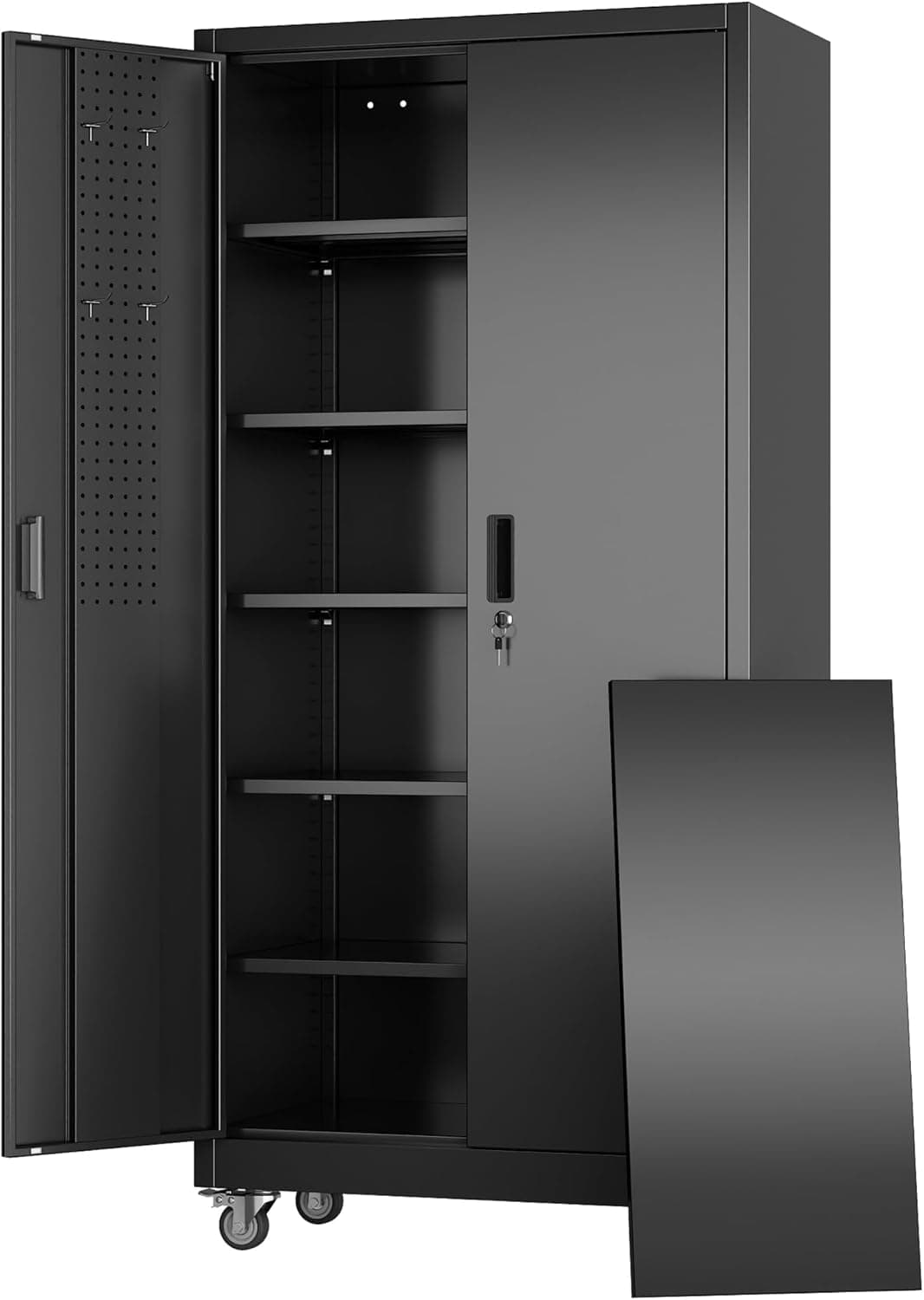
+ Wheels let you roll the cabinet out to clean or rearrange the garage
From our guide: Best Garage Storage Cabinets
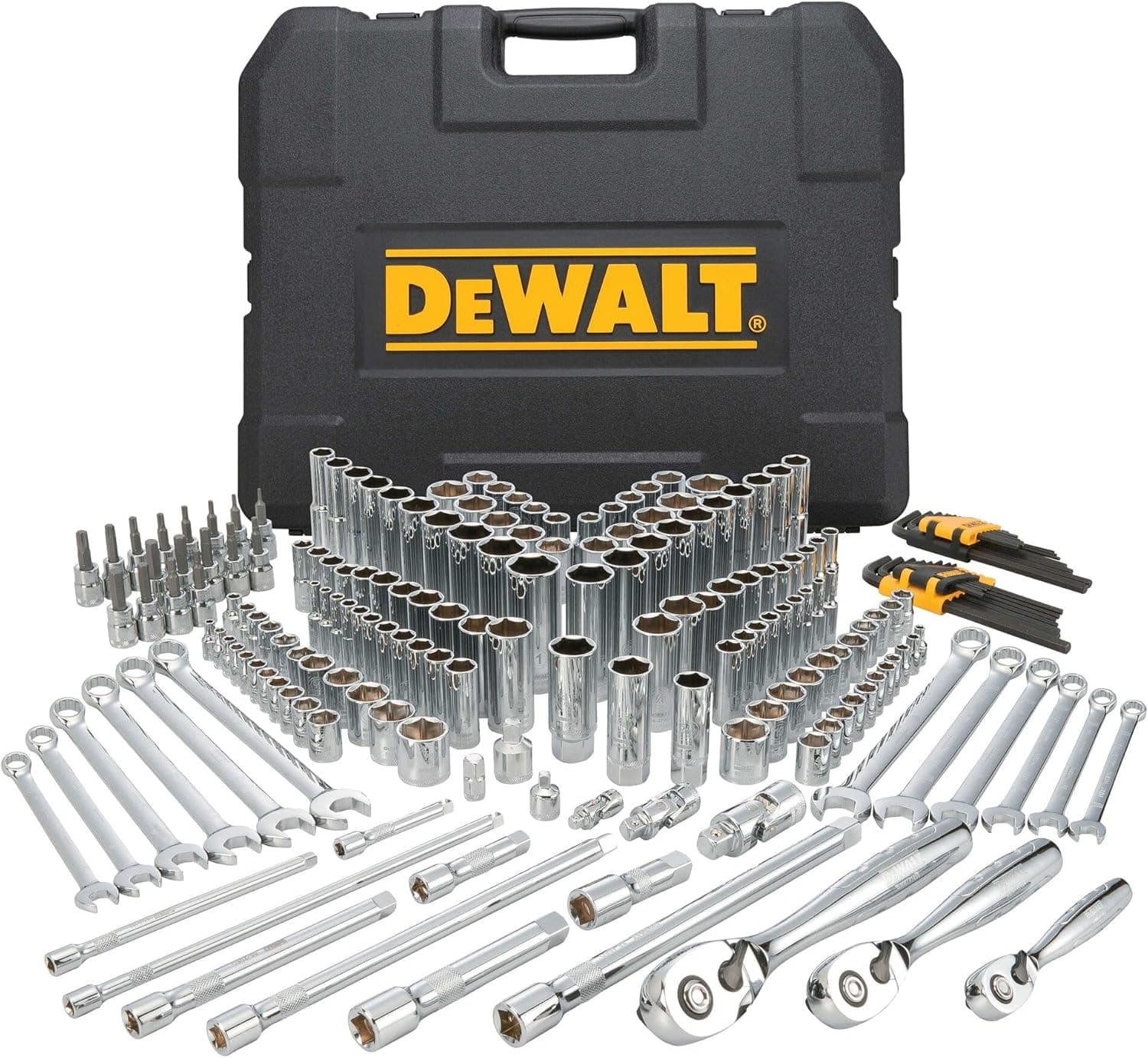
+ Deep and shallow sockets reach recessed nuts and studs
From our guide: Best Mechanic Tool Sets
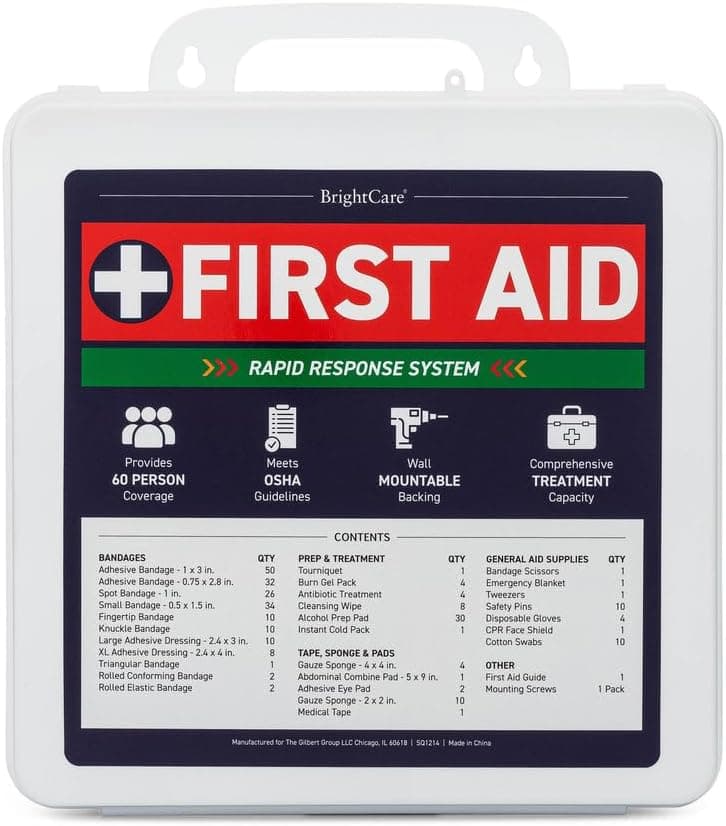
+ Wall mountable hard case keeps supplies visible in the garage
From our guide: Best Garage First Aid Kits
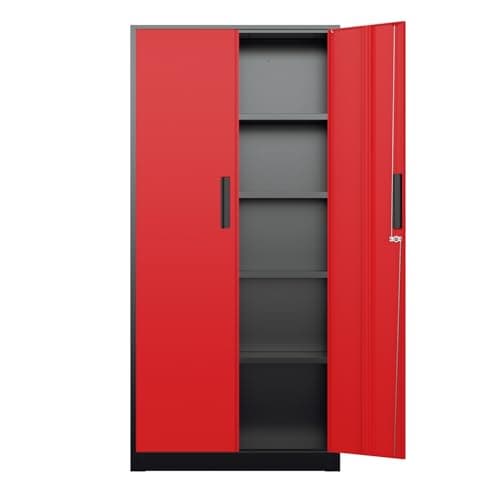
+ Heavy-duty cold-rolled steel with four removable shelves at 180 lbs each for power tools and paint cans.
From our guide: Best Garage Storage Cabinets
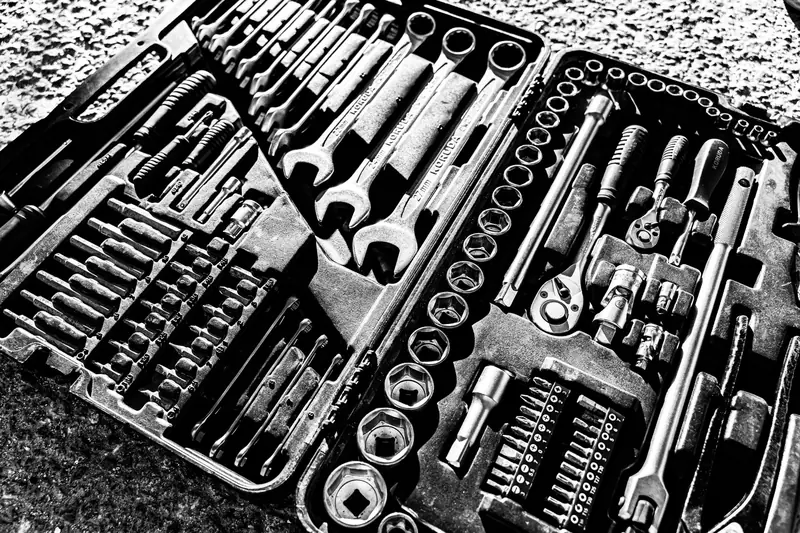
The backbone: a socket set
The backbone of any automotive kit is a socket set. Buy a combined set that includes both 1/4-inch and 3/8-inch drive ratchets, since the small drive handles tight, low-torque fasteners and the larger drive handles most bolts you will meet. Get both metric and SAE sockets in shallow and deep versions, and make sure the set spans roughly 8mm to 19mm, the range that covers most fasteners on modern vehicles. Add a 1/2-inch drive breaker bar for stubborn, high-torque bolts like lug nuts and crankshaft pulleys, where a small ratchet would simply strip or break.
Wrenches and pliers come next
Next come wrenches and pliers. A set of combination wrenches, open on one end and boxed on the other, in the same metric range as your sockets, reaches fasteners a socket cannot. Ratcheting combination wrenches cost more but dramatically speed up work in tight spaces. Round out the hand tools with a set of screwdrivers in both Phillips and flathead, and a small selection of pliers: standard, needle-nose, and a pair of tongue-and-groove adjustable pliers. A quality set of locking pliers earns its keep on rounded or seized fasteners.
Striking, cutting, and measuring tools
Striking, cutting, and measuring tools fill the next tier. A dead-blow hammer and a ball-peen hammer cover persuasion without damaging parts, and a utility knife handles gaskets, zip ties, and packaging. For measuring and diagnosis, a torque wrench is non-negotiable the moment you touch anything safety-critical like wheels, brakes, or engine internals, because correct torque prevents both loose failures and stripped threads. A basic digital multimeter turns electrical mysteries into solvable problems and costs very little for the capability it adds.
Buy quality where it counts, economize elsewhere
Buy quality where it counts and economize where it does not. Ratchets, torque wrenches, and anything that experiences high force should be good tools, because a cheap ratchet slips or shatters and a cheap torque wrench reads inaccurately. Reputable mid-tier brands with lifetime warranties hit the sweet spot for a home mechanic, offering reliability without the premium of top professional lines. Conversely, tools you use rarely or gently, like pry bars, funnels, and basic sockets, can be budget grade without any real downside. Resist the urge to buy a giant 300-piece kit; most of those pieces are filler.
Don't overlook consumables and safety gear
Do not overlook the consumables and safety gear that make the work possible. Stock nitrile gloves, shop rags, penetrating oil, thread locker, brake cleaner, and an assortment of zip ties and electrical tape. For safety, buy proper jack stands and never rely on a jack alone, plus safety glasses and hearing protection. A rolling creeper and a good work light spare your back and your eyes. These unglamorous items separate a frustrating job from a smooth one and are cheap insurance against injury.
Let the work tell you what to buy next
Finally, let the work tell you what to buy next. Rather than guessing at specialty tools, add them as specific repairs require: an oil filter wrench when you do your first oil change, a brake caliper tool when you tackle pads, a spark plug socket at your first tune-up. This job-driven approach builds a kit perfectly matched to the vehicles you actually own, keeps spending gradual, and ensures every tool in your box has already proven its worth. Store everything in a organized roll-away cabinet with foam or drawer liners so a missing tool is obvious at a glance.
Frequently asked questions
What socket set size range do I need for a home mechanic's kit? A set spanning roughly 8mm to 19mm in both metric and SAE, shallow and deep, covers most fasteners on modern vehicles, plus a 1/2-inch breaker bar for stubborn high-torque bolts.
What tools should I buy high quality versus budget for a mechanic's kit? Buy quality ratchets, torque wrenches, and anything under high force, since cheap versions slip or read inaccurately. Rarely used tools like pry bars and funnels can be budget grade.
Do I need a torque wrench for basic car maintenance? Yes, it becomes non-negotiable the moment you touch anything safety-critical like wheels, brakes, or engine internals, since correct torque prevents loose failures and stripped threads.
Should I buy a large all-in-one mechanic's tool kit? It's better to resist a giant 300-piece kit, since most pieces are filler. Build your kit gradually, adding specialty tools as specific repairs require them.
Popular right now
- Best Tool Hanging SystemsBuying guide
- Best PegboardsBuying guide
- Best Heavy-Duty ShelvingBuying guide
- Best WorkbenchesBuying guide
- Epoxy vs Tile Garage FlooringArticle
- Garage Floor Options ComparedArticle
Based on the last 28 days of search and visitor data.