Epoxy vs Tile Garage Flooring
Published How we research
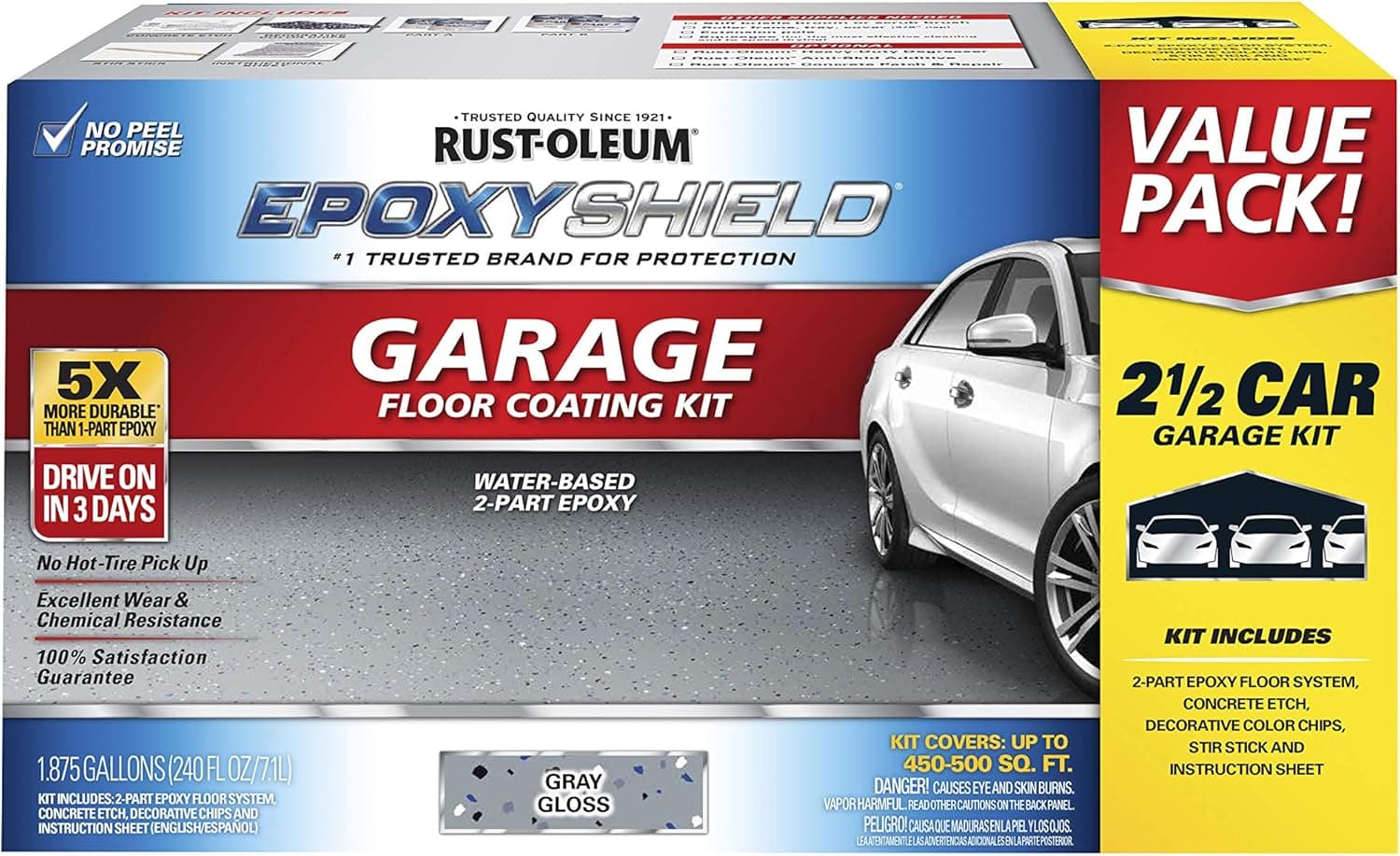
A bare concrete garage floor is porous, dusty, and quick to stain, so most people eventually upgrade to either an epoxy coating or interlocking floor tiles. Both transform the space, but they solve the problem in opposite ways. Epoxy bonds a hard, seamless film directly to the slab, while tiles float a durable surface on top of the concrete without adhesive. Understanding that basic difference explains almost every tradeoff between them.
Products from this article
The highest-scoring picks from the buying guides this article links to. Scores are our editorial assessment, not customer ratings.
+ 100% solids epoxy builds a much thicker, tougher coat
From our guide: Best Epoxy Floor Coating
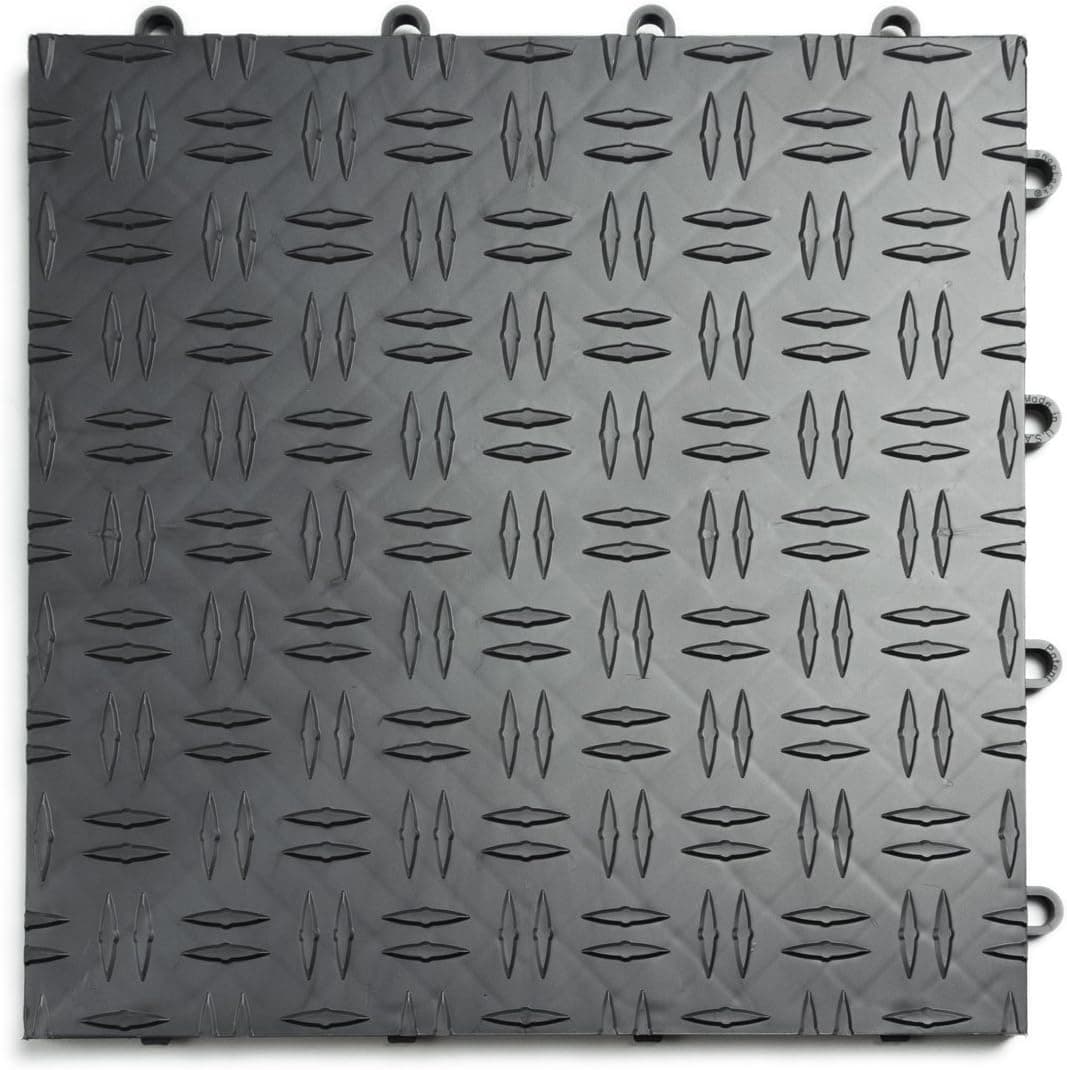
+ Diamond pattern gives a non-slip, classic garage look
From our guide: Best Garage Floor Tiles
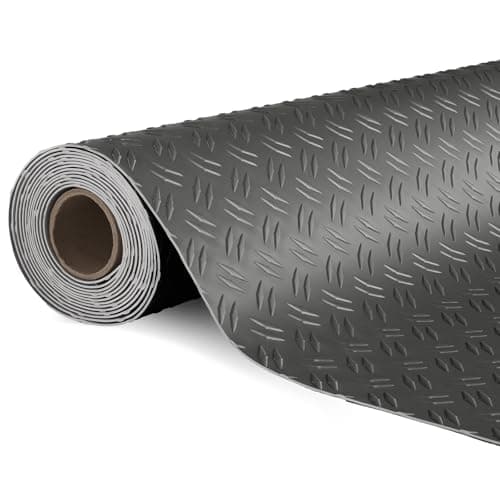
+ Same TUFFIOM 7.5 x 17 ft size, giving about 128 sq ft of roll-out coverage
From our guide: Best Garage Floor Mats
+ 2.5 Car kit covers larger garages in one purchase
From our guide: Best Epoxy Floor Coating
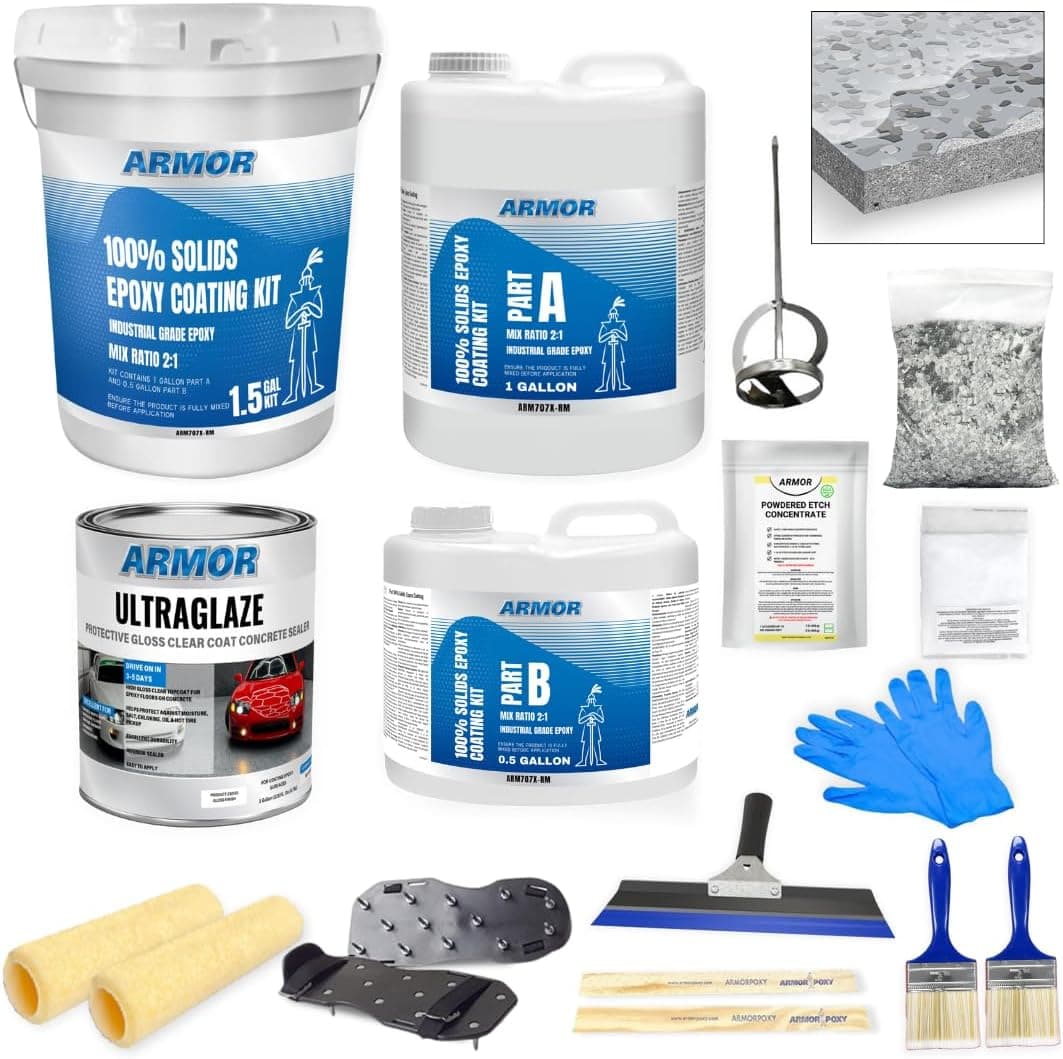
Epoxy delivers the seamless, showroom look that many owners want. A properly applied system, especially a two-part epoxy with a polyurethane or polyaspartic topcoat, creates a glossy, chemical-resistant surface that resists oil, brake fluid, road salt, and hot tire pickup. It is easy to sweep and mop, and it reflects light beautifully, brightening the whole garage. The catch is preparation. Epoxy only lasts if the concrete is properly cleaned, degreased, and either acid-etched or, better, diamond-ground to open the surface. Skipping prep is the single most common reason coatings peel within a year.
Interlocking tiles take the opposite approach and forgive almost everything about your slab. Rigid PVC or flexible polypropylene tiles snap together over the existing concrete, hiding cracks, minor pitting, and even mild moisture problems that would doom an epoxy coating. Because they sit on top, they tolerate a slab that still releases vapor, which is a real advantage in older or below-grade garages. Installation needs no chemicals, no cure time, and no ventilation concerns; you can drive on the floor the moment the last tile clicks in.
Durability plays out differently for each. A quality epoxy floor, well prepped and topcoated, can last 10 to 20 years, but damage is hard to fix invisibly because the coating is continuous. If a section chips or delaminates, patching leaves a visible seam. Tiles reverse this entirely: individual tiles wear or crack, but you simply pop out the damaged one and snap in a replacement in minutes. That repairability makes tiles attractive for garages that see dropped tools, jack stands, and heavy abuse.
Cost and effort separate the two for many buyers. A DIY epoxy kit is inexpensive per square foot in materials, but the labor and prep are demanding, and a professional-grade polyaspartic install by a contractor climbs well into the thousands. Tiles cost more per square foot in materials but install in an afternoon with nothing but a rubber mallet, and there is no messy failure mode from bad prep. For a renter or anyone who wants a reversible upgrade, tiles win outright since they lift out and move with you.
Climate and use also steer the decision. In cold regions where road salt and snowmelt pool under vehicles, epoxy's seamless chemical resistance keeps brine off the concrete, while tiles can trap moisture underneath if water seeps between them, requiring the occasional lift and dry. For a home gym, hobby space, or workshop with foot traffic and comfort in mind, cushioned tiles feel warmer and easier on the legs. For a wash-down, heavy-chemical mechanic's bay, epoxy's cleanability is hard to beat.
There is no universal winner, only the right match for your slab and your patience. Choose epoxy if you have a sound, dry floor, want a seamless high-gloss finish, and will do the prep properly or pay someone who will. Choose tiles if your concrete is cracked or damp, you want a fast reversible install, or you value the ability to swap out damaged sections. Either way, sealing your floor is one of the highest-value upgrades a garage can get, ending the dust and protecting the concrete underneath for decades.
At a glance: Epoxy coating vs Floor tiles
| Epoxy coating | Floor tiles | |
|---|---|---|
| Prep | Thorough cleaning and etching or grinding | Sweep and lay |
| Install time | Several days including cure | Hours |
| Cracked concrete | Shows through | Hides it |
| Repairs | Patch and recoat | Replace single tiles |
| Removal | Permanent | Take them with you |
| Hot tire pickup | Possible on poor prep or cheap kits | Not an issue |
Choose Epoxy coating if
- You own the home and want a permanent finish
- Your concrete is in good condition
- You want the easiest surface to wipe clean
Choose Floor tiles if
- You rent or may move
- Your concrete is cracked or stained
- You want a quick weekend install
Bottom line: Epoxy is the long-term choice for owners with sound concrete who are willing to prep properly. Tiles are faster, more forgiving and removable.
Popular right now
- Best Tool Hanging SystemsBuying guide
- Best PegboardsBuying guide
- Building a Mechanic's Tool Kit From ScratchArticle
- Best Heavy-Duty ShelvingBuying guide
- Best WorkbenchesBuying guide
- Garage Floor Options ComparedArticle
Based on the last 28 days of search and visitor data.