Why Your Garage Door Opens Back Up Instead of Closing
Published How we research
A garage door that starts closing and then reverses, or refuses to close at all, is usually the opener doing its safety job. Automatic openers are designed to stop and reverse when they detect an obstruction or unexpected resistance. Misaligned safety sensors, dirty lenses, limit settings and track problems are the most common causes. Springs and cables are under high tension, so leave those repairs to professionals.
Check the safety sensors
Photo-eye sensors mounted near the bottom of the door tracks send an invisible beam across the opening. If anything blocks the beam, or the sensors are misaligned, the door will not close or will reverse. Look for blinking or unlit indicator lights on one or both sensors.
Clean the lenses gently with a soft cloth, remove anything in the beam's path and loosen the bracket to realign the sensors until both indicator lights are steady. Bumping sensors with bikes, bins or tools often knocks them slightly out of line.
Adjust close limit and force
The close limit setting tells the opener where the door should stop. If the door hits the floor before the opener expects, it interprets the resistance as an obstruction and reverses. This often happens after floor tiles or mats are added or when the ground shifts seasonally.
Consult the opener manual to adjust the limit and force settings. Increase force only slightly, and test the safety reversal afterward by placing a piece of wood flat on the floor under the door, which it must reverse from.
Look at the tracks and rollers
Bent tracks, dirty rollers and debris create resistance that the opener reads as an obstruction. Close the door manually and watch for sticking points, grinding or rollers jumping in the track.
Clean the tracks with a cloth, remove debris and lubricate rollers, hinges and bearings with a garage door lubricant. Do not grease the inside of the tracks, which attracts dirt.
Check remote, wall button and lock
If the door does not respond at all, check the wall button and remote batteries, and make sure the lock mode or vacation mode on the wall control is not activated. Confirm the opener has power and that a GFCI outlet has not tripped.
Many doors have a manual lock bar that blocks movement. If it is engaged, the opener strains and may stop. Also check whether the emergency release has been pulled, disconnecting the trolley from the door.
When to call a professional
A broken torsion spring, frayed lift cables or a door that feels very heavy when lifted manually require a garage door technician. Springs store a large amount of energy and can cause serious injury if handled incorrectly.
Older openers without safety sensors or with repeated failures may be worth replacing. Modern openers add features like battery backup, quieter belt drives and smartphone alerts when the door is left open.
Products from this article
The highest-scoring picks from the buying guides mentioned above. Scores are our editorial assessment, not customer ratings.
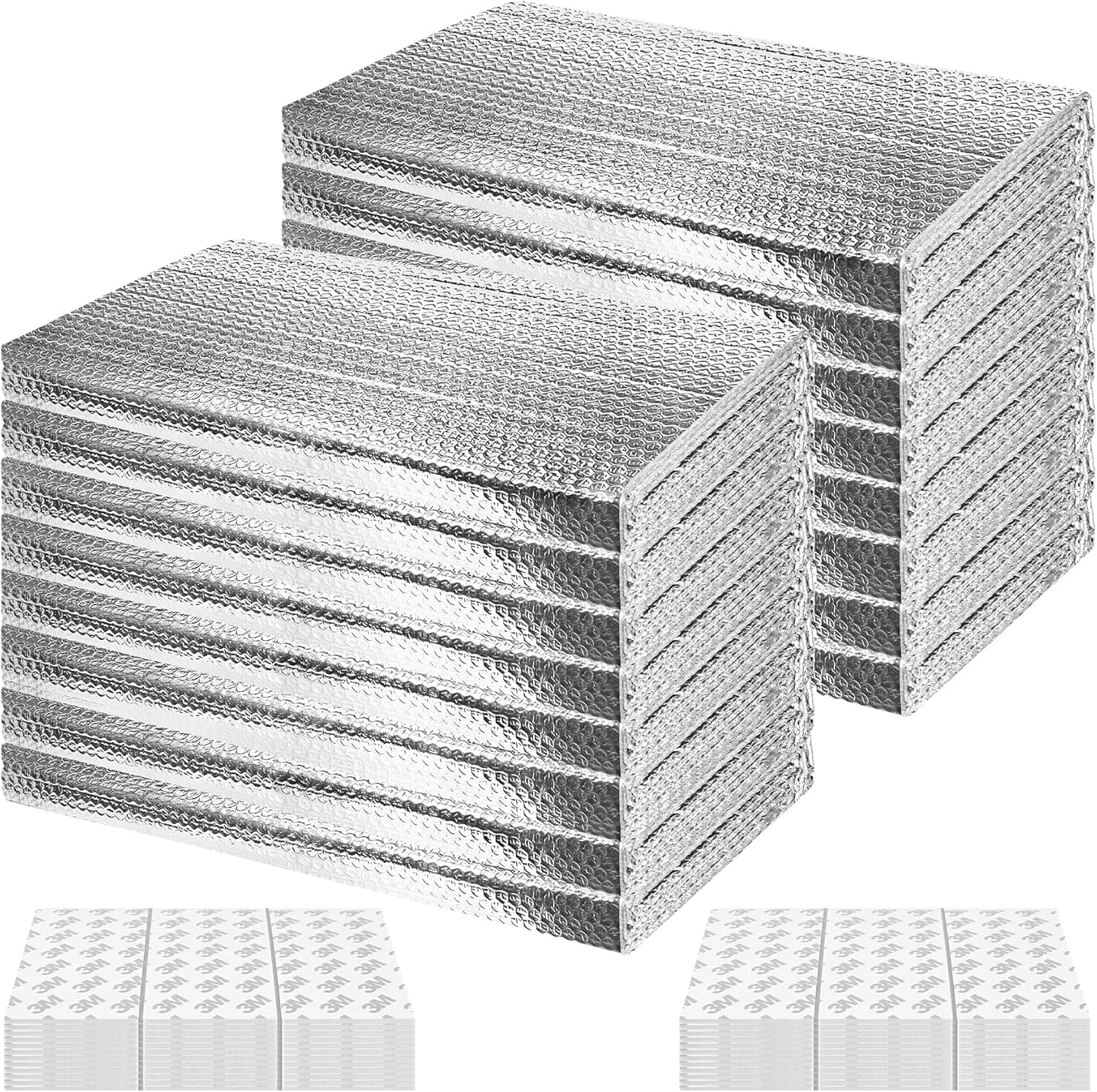
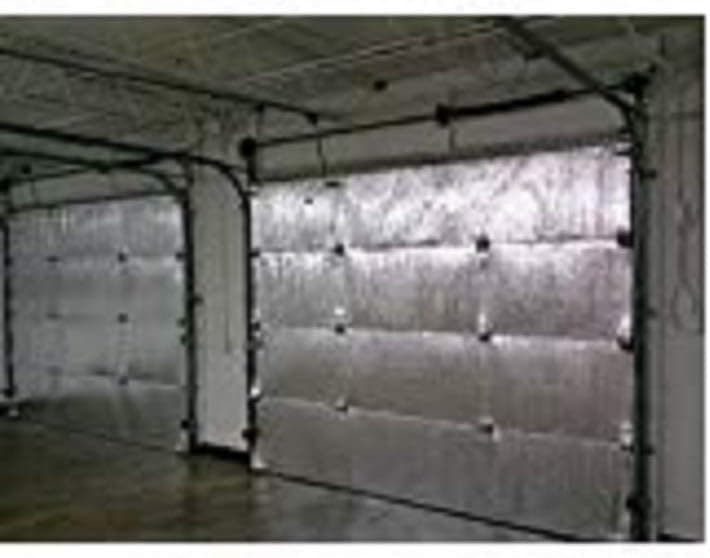
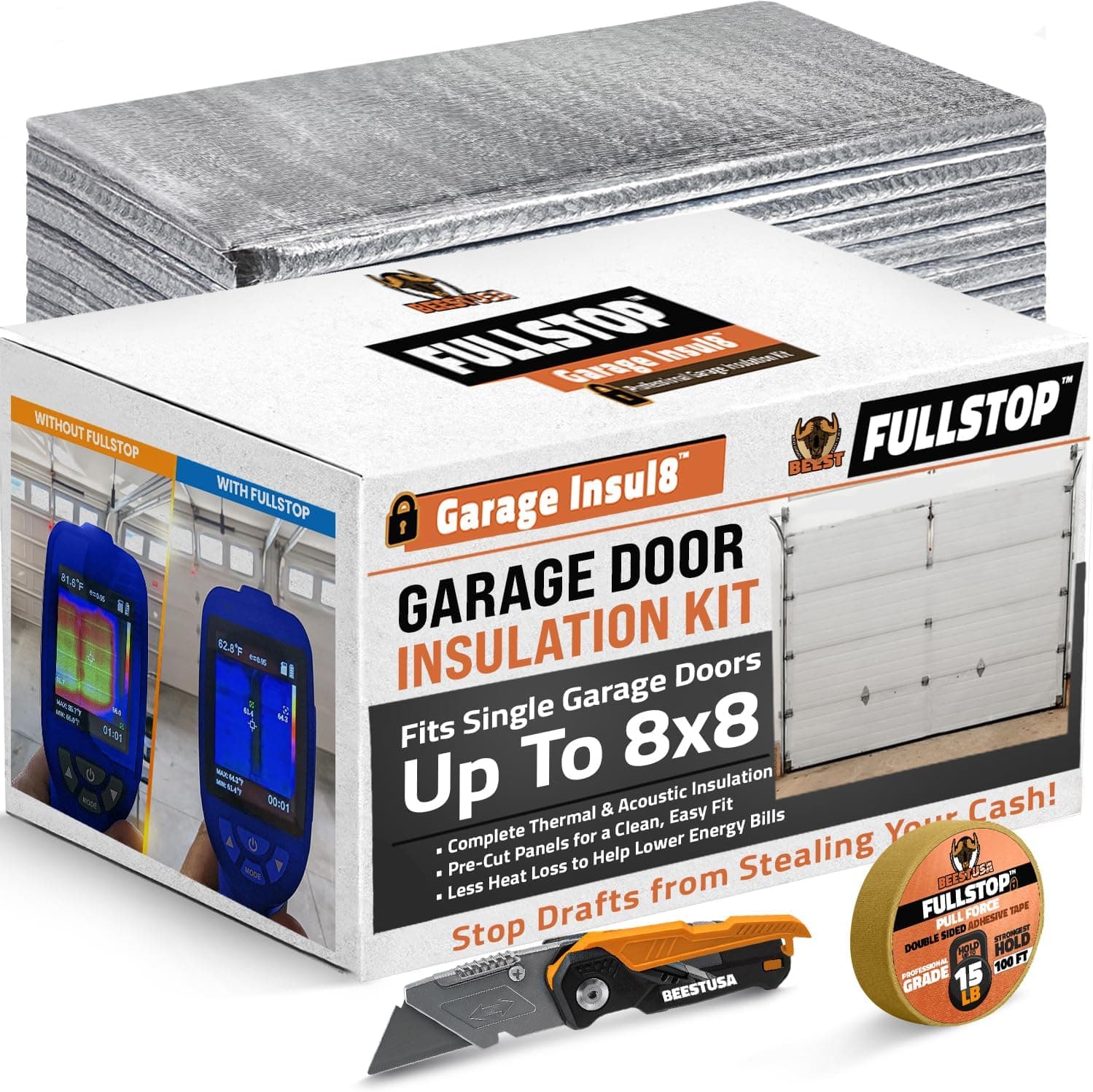
+ R Value 8.0 is clearly stated for comparing insulation
From our guide: Best Garage Door Insulation
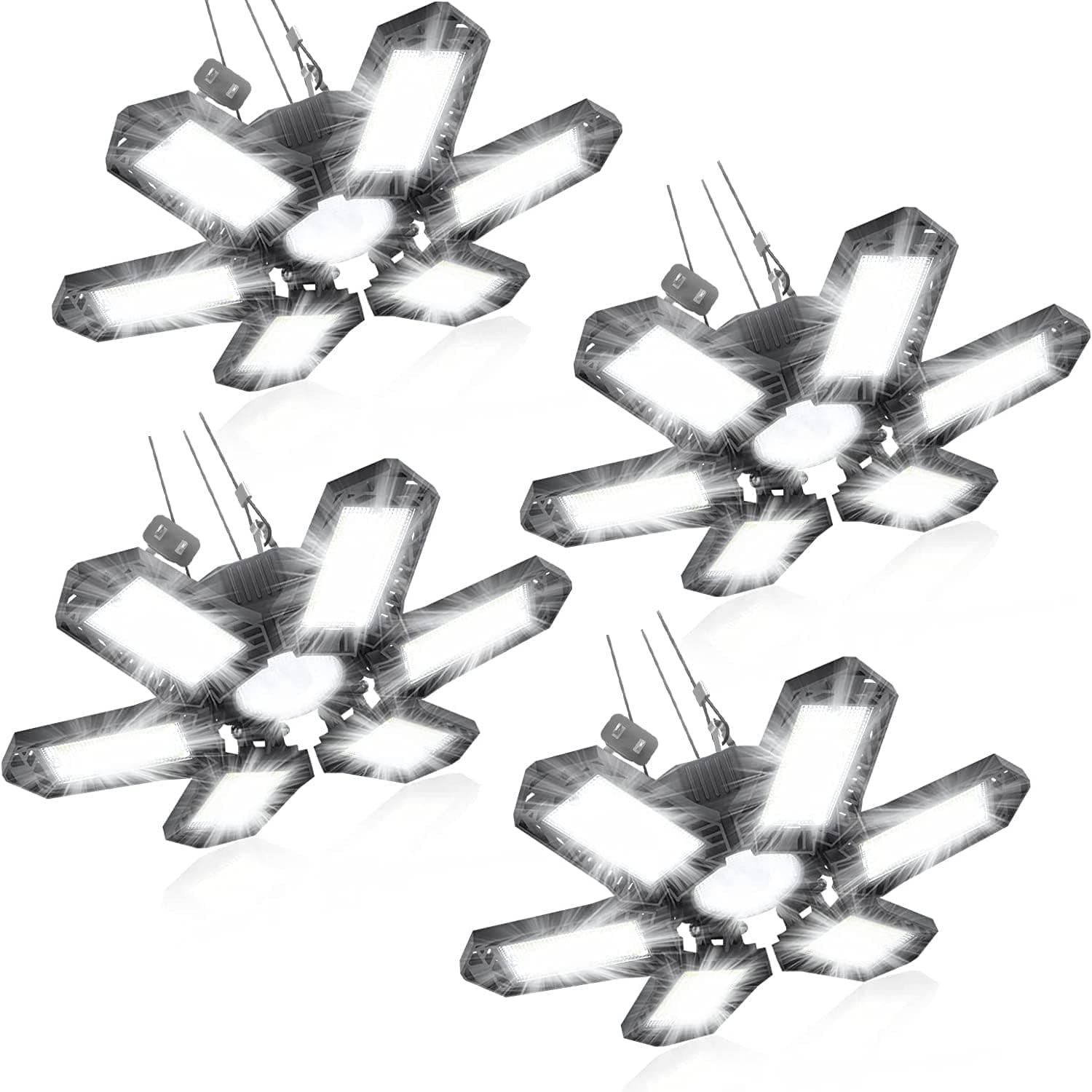
+ 20000LM output is very bright for dark garages and shops
From our guide: Best LED Shop Lights
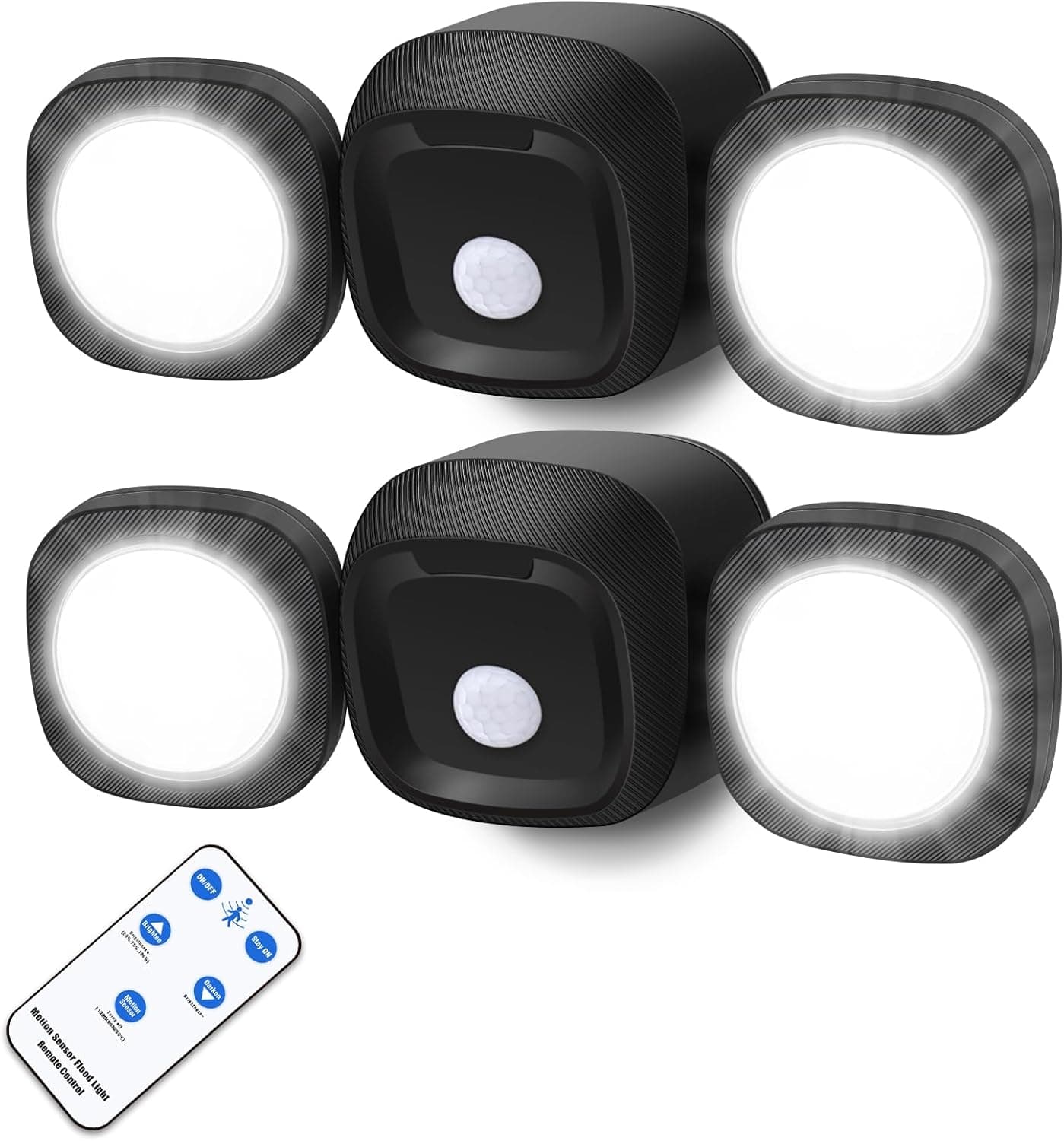
+ Remote control adjusts lights without climbing a ladder
From our guide: Best Motion Sensor Lights
+ Includes tape, cutter and squeegee for a complete install
From our guide: Best Garage Door Insulation
Popular right now
- Best Tool Hanging SystemsBuying guide
- Organizing Hand and Power Tools So You Can Find Everything FastArticle
- Best Overhead Garage StorageBuying guide
- Best Garage VisesBuying guide
- Best Tool ChestsBuying guide
- How to Install Overhead StorageArticle
Based on the last 28 days of search and visitor data.