Garage Electrical and Outlet Basics Every Owner Should Know
Published How we research
Understand circuit amperage first: a 15-amp circuit safely delivers about 1,440 watts and a 20-amp circuit about 1,920 watts, which determines what can run at once. GFCI protection is essential and code-required in damp garage environments, cutting power instantly if it detects a current imbalance. Dedicated circuits, sometimes 240-volt, prevent high-draw tools like compressors and welders from tripping breakers, and outlets should be spaced generously at bench height. Use extension cords only as temporary bridges, not permanent wiring. Leave new circuits, panel upgrades, and 240-volt service to a licensed electrician. Most garages are wired as an afterthought, with one or two outlets sharing a single circuit meant for a light bulb and a door opener. The moment you add power tools, a heater, or a battery charger, that thin wiring becomes a bottleneck and, in the worst cases, a hazard. Understanding a few electrical basics helps you plan a garage that can actually power your work safely, and, just as importantly, helps you recognize when a job belongs to a licensed electrician rather than a weekend project.
Products from this article
The highest-scoring picks from the buying guides this article links to. Scores are our editorial assessment, not customer ratings.
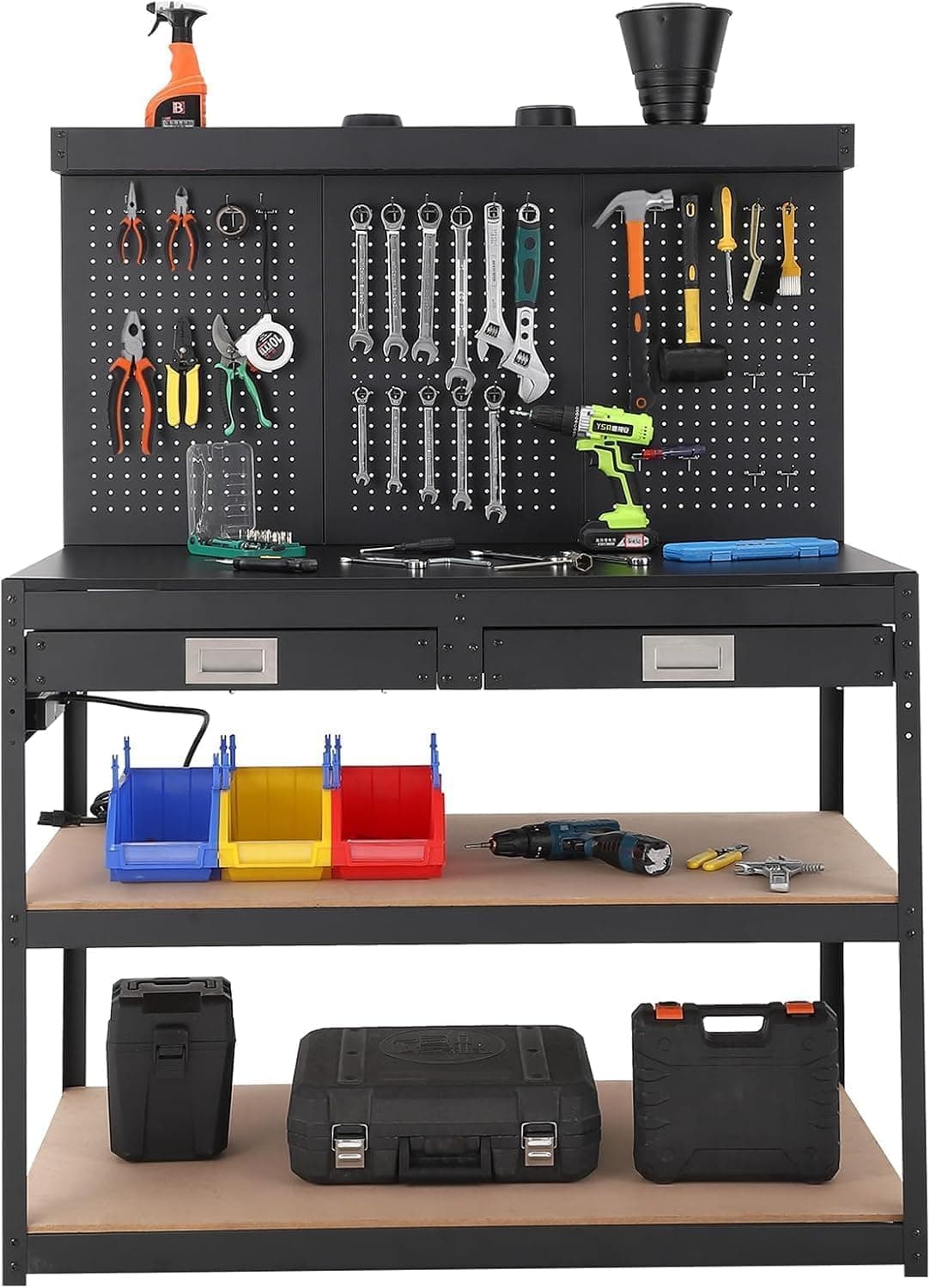
+ Strip light and large pegboard create a well-lit tool wall
From our guide: Best Workbenches
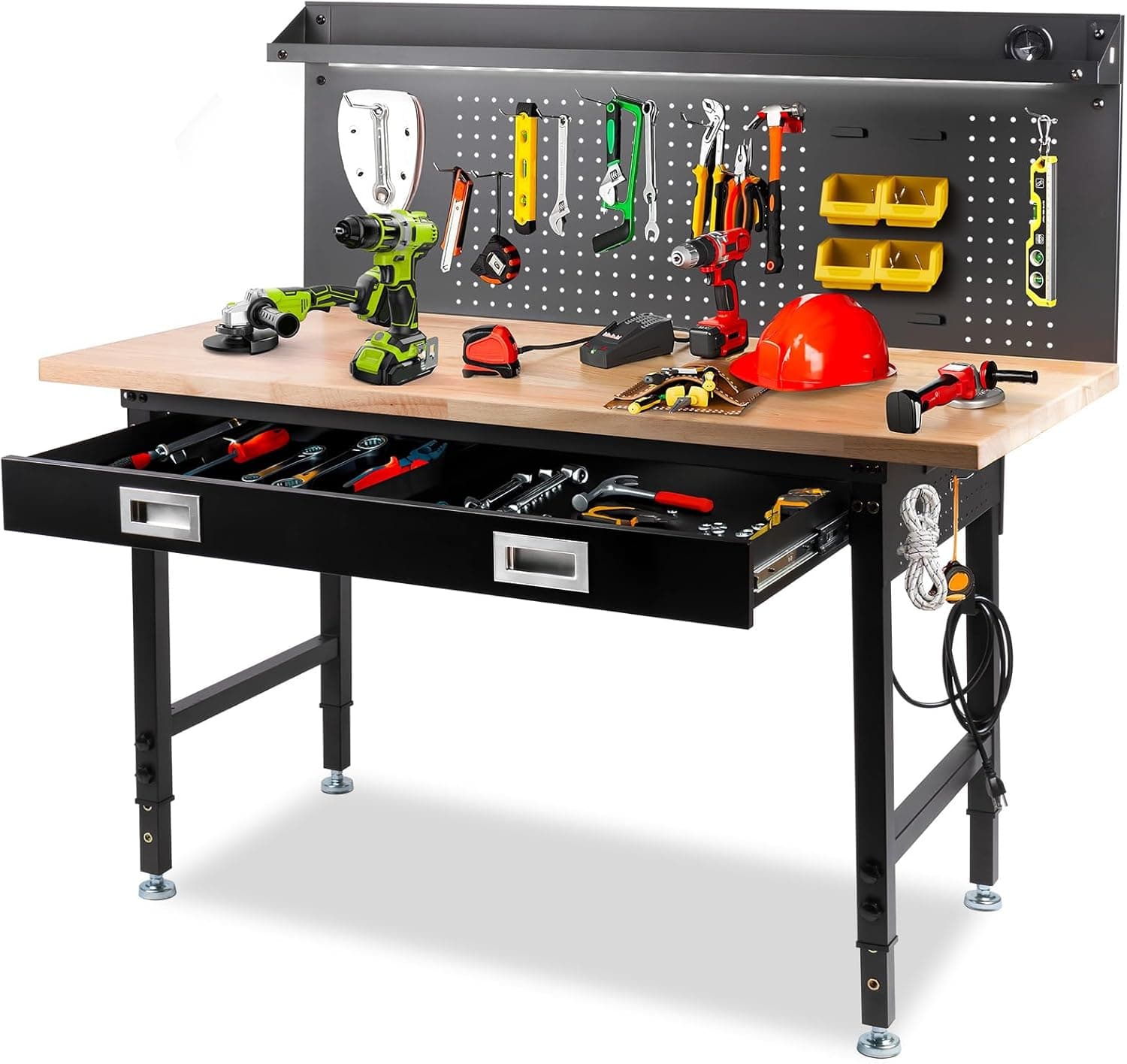
+ Wooden top gives a usable work surface that will not mar parts
From our guide: Best Rolling Tool Carts
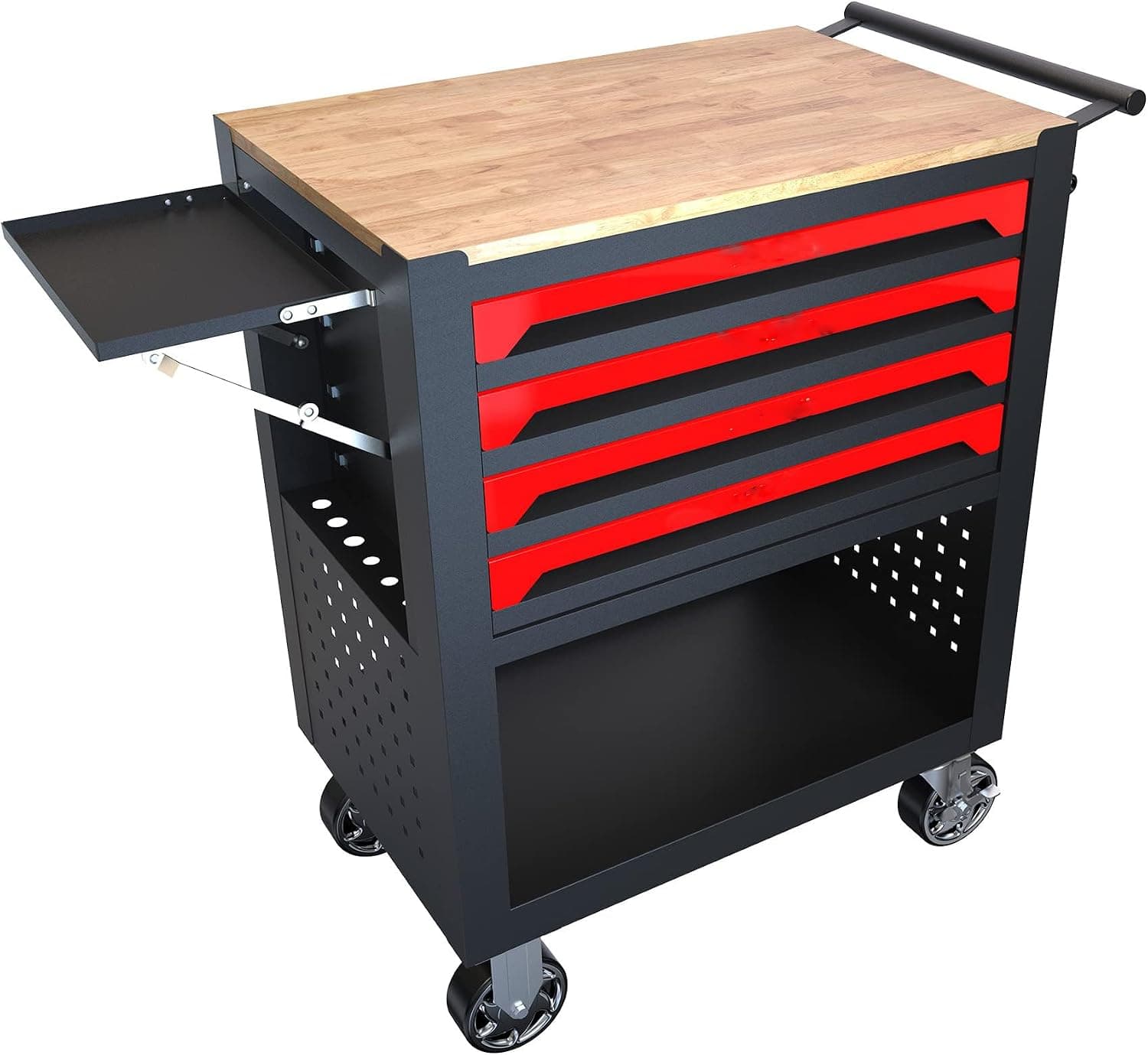
+ Waterproof hard base protects tools when set on wet job sites
From our guide: Best Tool Bags
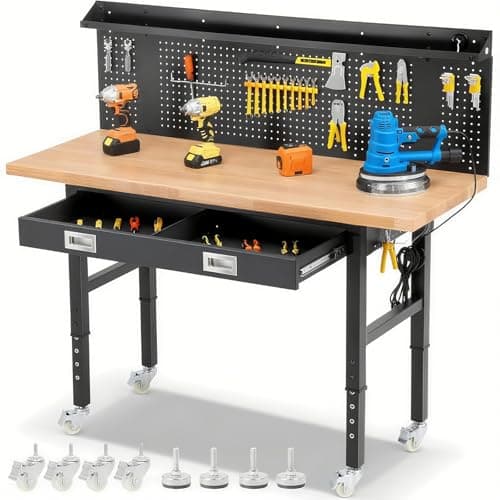
+ Height adjusts from 28 to 40 inches, and the 60 x 22 inch top gives room for long workpieces.
From our guide: Best Workbenches


Understand circuits and amperage first
Start by understanding circuits and amperage, because they determine how much you can run at once. A circuit is a loop of wiring protected by a breaker, and that breaker is rated for a specific current, commonly 15 or 20 amps in a garage. Every tool and appliance draws a share of that capacity, and when the combined draw exceeds the rating, the breaker trips to prevent the wires from overheating. A 15-amp circuit safely delivers around 1,440 watts of continuous load, and a 20-amp circuit about 1,920 watts. Knowing these ceilings lets you predict whether your shop vac and table saw can run together or will trip the breaker.
GFCI protection is the single most important safety feature
GFCI protection is the single most important safety feature in a garage and is required by code for good reason. A ground-fault circuit interrupter monitors the current flowing out and back, and if it detects even a tiny imbalance, it cuts power in a fraction of a second, protecting you from a lethal shock. Garages are damp, grounded environments where shock risk is high, so outlets there must be GFCI protected, either through GFCI outlets or a GFCI breaker. Test these devices monthly using the built-in test button, and replace any that fail to trip. This is cheap, simple, and can save your life.
Dedicated circuits solve the most common frustration
Dedicated circuits solve the most common garage frustration, which is tripping breakers under load. High-draw tools like table saws, air compressors, welders, and electric heaters benefit from their own dedicated circuit so they do not compete with everything else. A compressor or welder may even require a 240-volt circuit rather than standard 120-volt, which means heavier wiring and a double-pole breaker. Planning dedicated circuits for your heavy equipment, and spacing plenty of outlets around the walls so extension cords are not a permanent fixture, is the difference between a garage that fights you and one that just works.
Outlet placement and quantity deserve real thought
Outlet placement and quantity deserve real thought during any upgrade. The classic mistake is too few outlets in the wrong places, forcing a tangle of power strips and extension cords that is both inconvenient and a fire risk. Space outlets generously around the perimeter at bench height so tools plug in near where they are used, and consider a dedicated circuit or two just for the workbench area. Outdoor-rated and higher-amperage outlets suit specific tools, and a ceiling outlet is handy for a door opener or a retractable cord reel. Think about where you will actually stand and work, then put power there.
Extension cords are bridges, not permanent wiring
Extension cords and portable power are fine as bridges but dangerous as permanent wiring. Use cords rated for the tool's amperage and keep them as short as practical, since a too-thin or too-long cord drops voltage and overheats, which can damage motors and start fires. Never chain multiple cords together or run them under rugs or through doorways where they get crushed. A cord reel mounted overhead keeps power available without a trip hazard. If you find yourself relying on cords daily, that is a clear signal to add permanent outlets instead.
Know the boundary between DIY and professional work
Finally, know the boundary between DIY and professional work, because electrical mistakes are unforgiving. Swapping a like-for-like outlet or resetting a breaker is within reach for a careful homeowner who kills the power first and verifies it is off. But adding new circuits, running new wiring to the panel, installing 240-volt service, or upgrading the panel itself involves code requirements, permits, and shock and fire risks that warrant a licensed electrician. There is no shame in calling a pro for the heavy work; it protects your home, your insurance, and your safety. Understanding the basics simply lets you plan intelligently and communicate clearly about exactly what your garage needs.
Frequently asked questions
How many amps does a typical garage circuit need? Most garages use 15 or 20-amp circuits, delivering around 1,440 or 1,920 watts respectively. High-draw tools like compressors or welders often need their own dedicated, sometimes 240-volt, circuit.
Why do garage outlets need GFCI protection? Garages are damp, grounded environments where shock risk is high, and a GFCI cuts power in a fraction of a second if it detects a current imbalance, protecting against lethal shock.
Can I run extension cords permanently in a garage? No, extension cords are fine as temporary bridges but are dangerous as permanent wiring, since a too-thin or too-long cord can overheat and start fires.
When should I hire an electrician for garage wiring? For adding new circuits, running new wiring to the panel, installing 240-volt service, or upgrading the panel itself, since these involve code requirements, permits, and real shock and fire risks.
Popular right now
- Best Tool Hanging SystemsBuying guide
- Best PegboardsBuying guide
- Building a Mechanic's Tool Kit From ScratchArticle
- Best Heavy-Duty ShelvingBuying guide
- Best WorkbenchesBuying guide
- Epoxy vs Tile Garage FlooringArticle
Based on the last 28 days of search and visitor data.