How to Stop Condensation on a Garage Floor
Published How we research
Walking into the garage to find the concrete floor damp and slippery, even though nothing leaked, is a common problem during seasonal weather changes. This so-called floor sweating happens when warm, humid air meets cold concrete and moisture condenses on the surface. It is especially noticeable on epoxy and sealed floors. Managing air temperature and humidity stops most of it.
Why concrete floors sweat
Concrete slabs change temperature slowly. After a cool spell, the floor stays cold while a warm, humid day brings moist air into the garage. When the surface temperature is below the air's dew point, water condenses on the floor, just like on a cold glass.
Sealed and epoxy-coated floors show condensation more clearly because water cannot soak in and sits on the surface. Moisture rising from the ground through uncoated concrete can make the problem worse, particularly on older slabs without a vapour barrier.
Tell condensation from leaks
Condensation usually covers large areas evenly, appears during humid weather after cooler days and dries as conditions change. A leak, by contrast, tends to come from a specific spot such as a wall, the door threshold or a water heater.
Tape a square of plastic sheet to the floor for a day. Moisture on top of the plastic suggests condensation from the air, while moisture underneath points to water coming up through the slab.
Control humidity
Keeping the garage door closed on warm, humid days prevents moist air from reaching the cold slab. Open it instead on cooler, drier days to let air circulate.
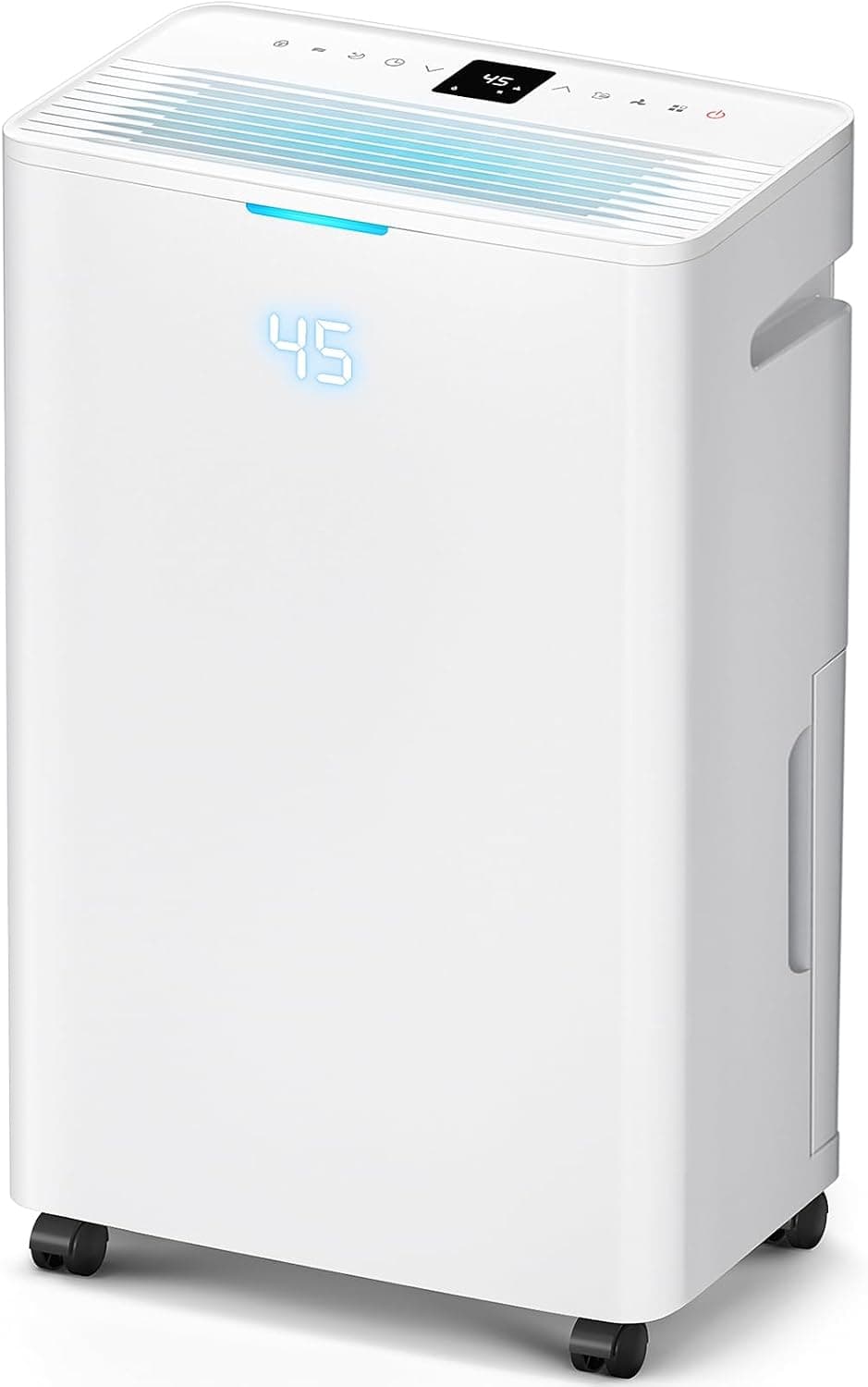
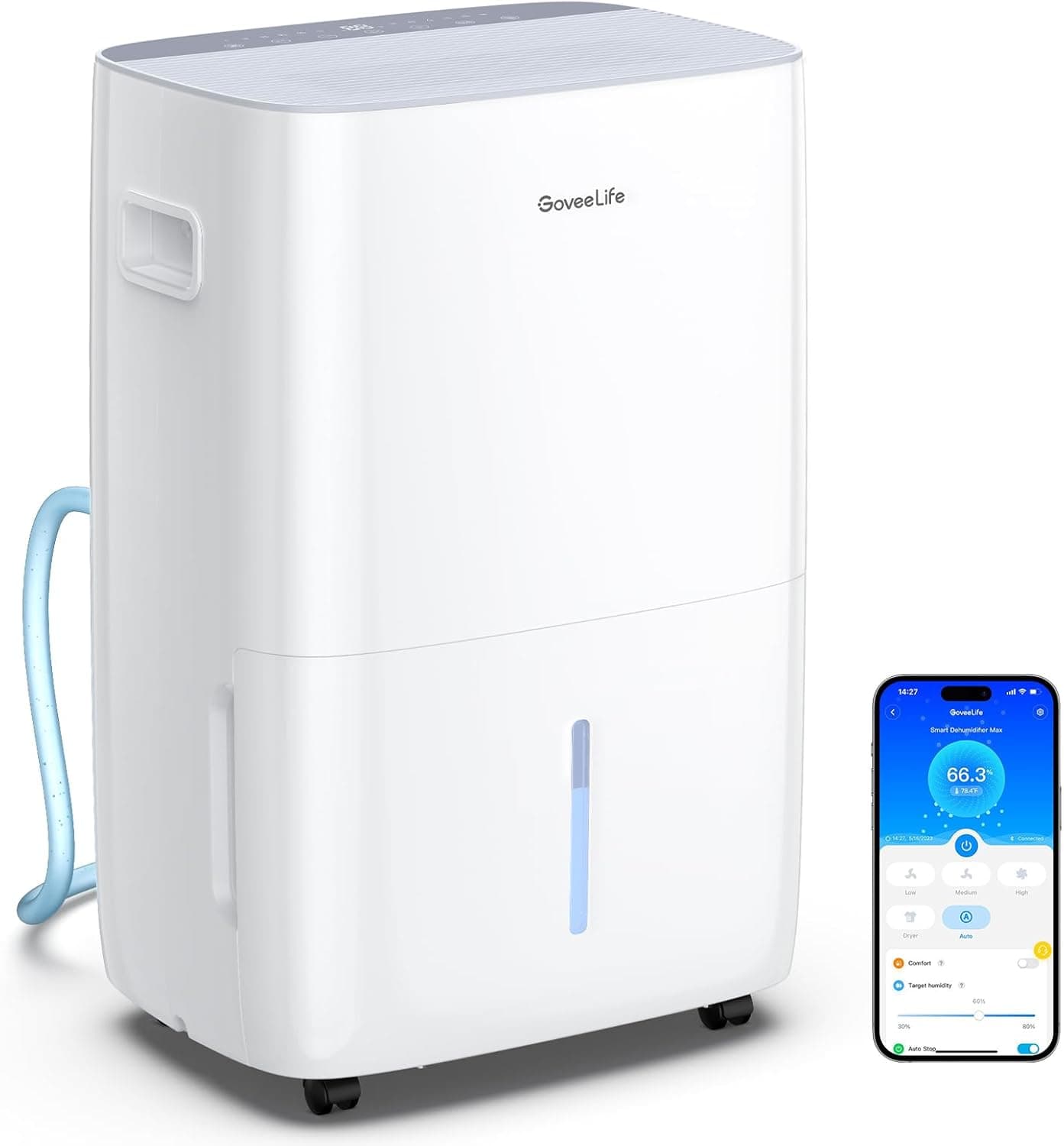
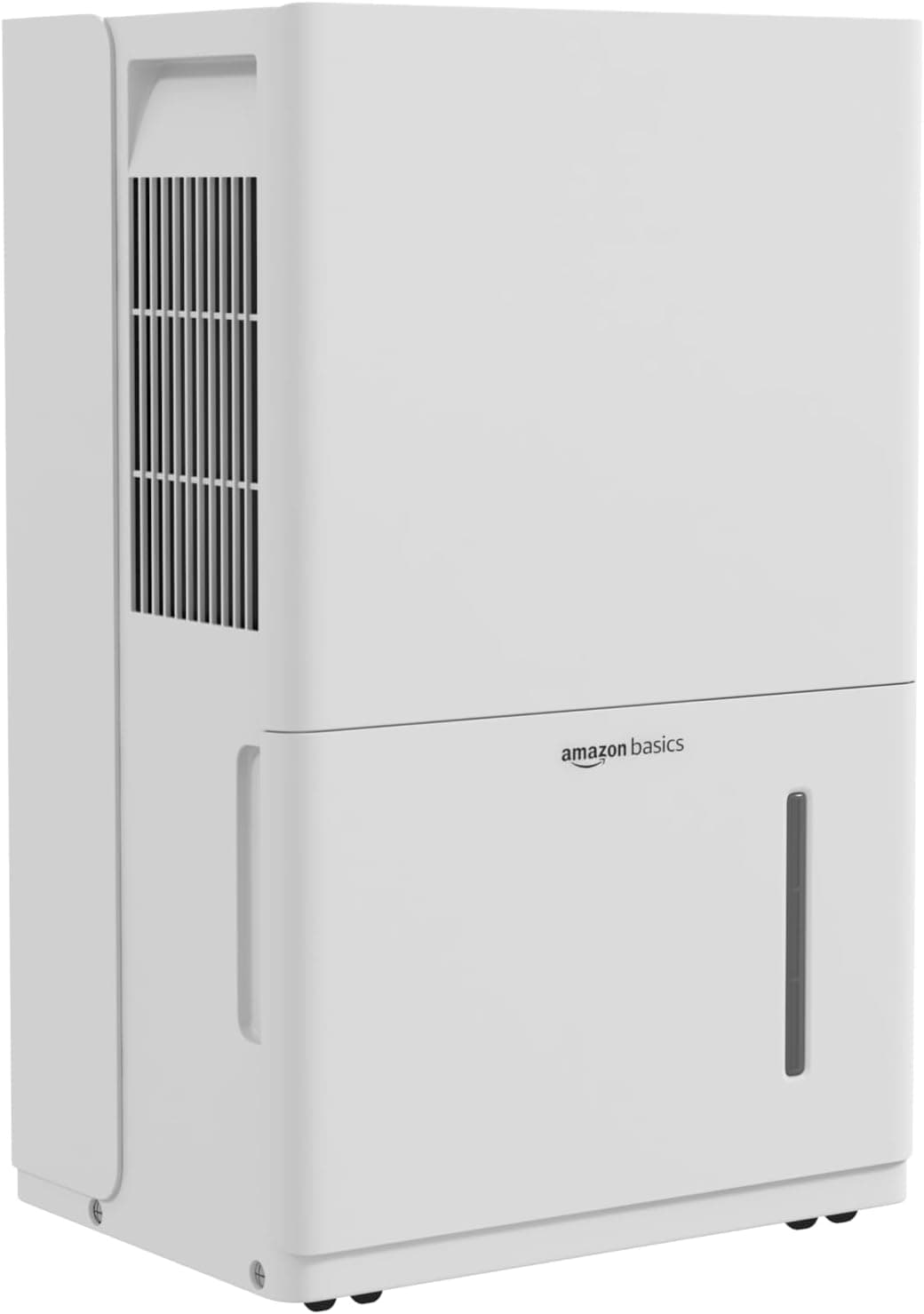
A garage dehumidifier lowers humidity so the dew point stays below the floor temperature. Choose a model rated for your garage size and temperature range, and connect it to a floor drain or pump if possible so it can run without emptying a bucket.
Improve air movement
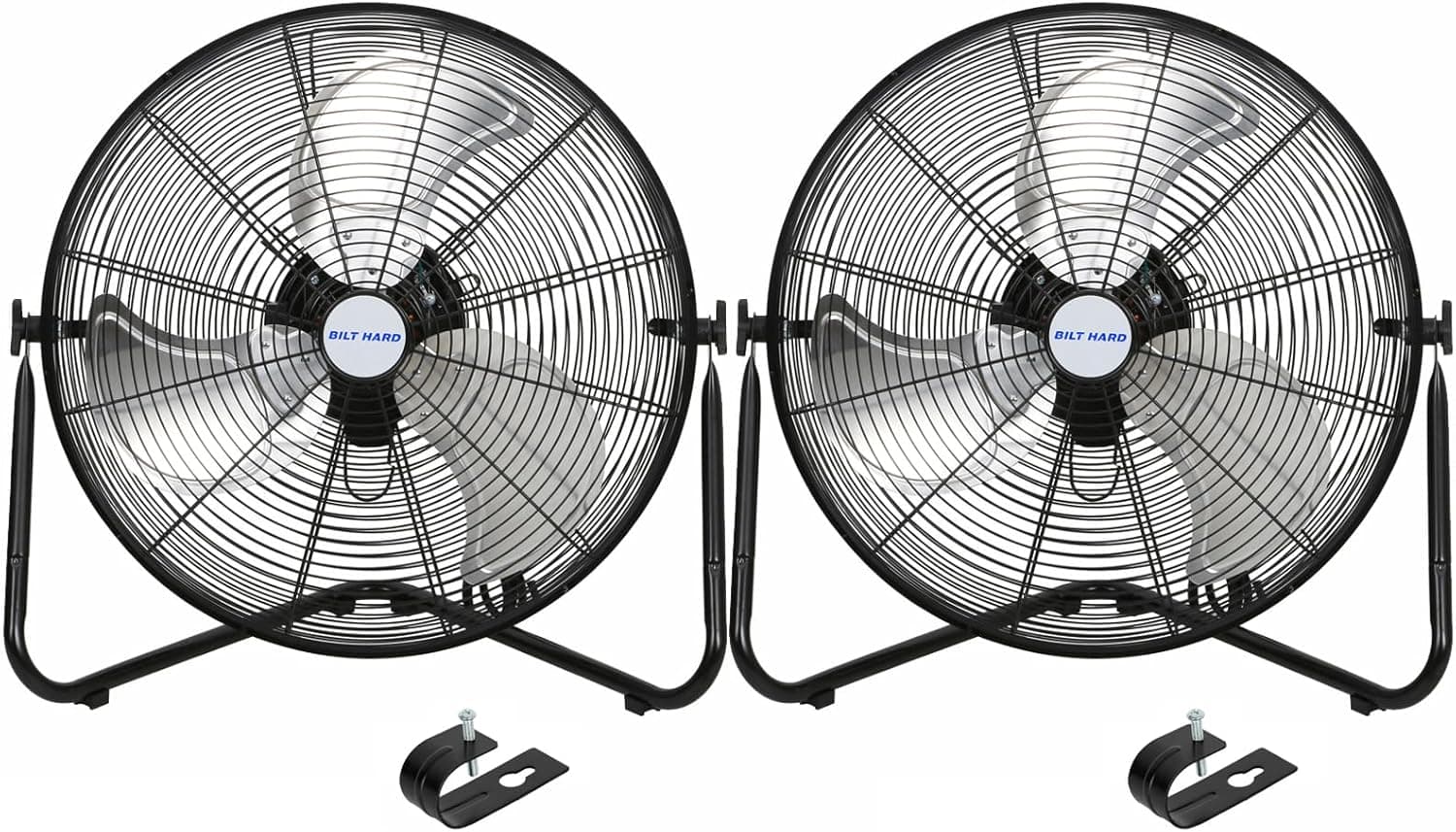
Moving air helps condensation evaporate and evens out the temperature difference between air and floor. A garage fan pointed across the floor dries surface moisture quickly.
Wall vents and exhaust fans exchange stale, moist air. Avoid bringing in air on humid days, though, since it adds more moisture to the problem. Humidity-controlled fans turn on only when conditions allow.
Floor surfaces and safety
If you plan to coat the floor, add an anti-slip additive to epoxy topcoats so condensation does not create a dangerous surface. Interlocking garage floor tiles allow air to move beneath them and keep the walking surface drier.
Parking a car with melting snow or rain adds a lot of water to the garage. Containment mats catch runoff and keep it from evaporating into the air, which reduces humidity and floor sweating in winter.
Products from this article
The highest-scoring picks from the buying guides mentioned above. Scores are our editorial assessment, not customer ratings.
+ WiFi app control lets you check garage humidity remotely
From our guide: Best Garage Dehumidifiers
+ 2 Pack lets you cross-ventilate a garage from two sides
From our guide: Best Garage Fans
+ 9x20' size fits full-size trucks and large SUVs
From our guide: Best Floor Containment Mats
+ Built-in pump moves water up to a sink or out a window
From our guide: Best Garage Dehumidifiers

Popular right now
- Best Tool Hanging SystemsBuying guide
- Organizing Hand and Power Tools So You Can Find Everything FastArticle
- Best Overhead Garage StorageBuying guide
- Best Garage VisesBuying guide
- Best Tool ChestsBuying guide
- How to Install Overhead StorageArticle
Based on the last 28 days of search and visitor data.