Insulating and Heating a Garage
Published How we research
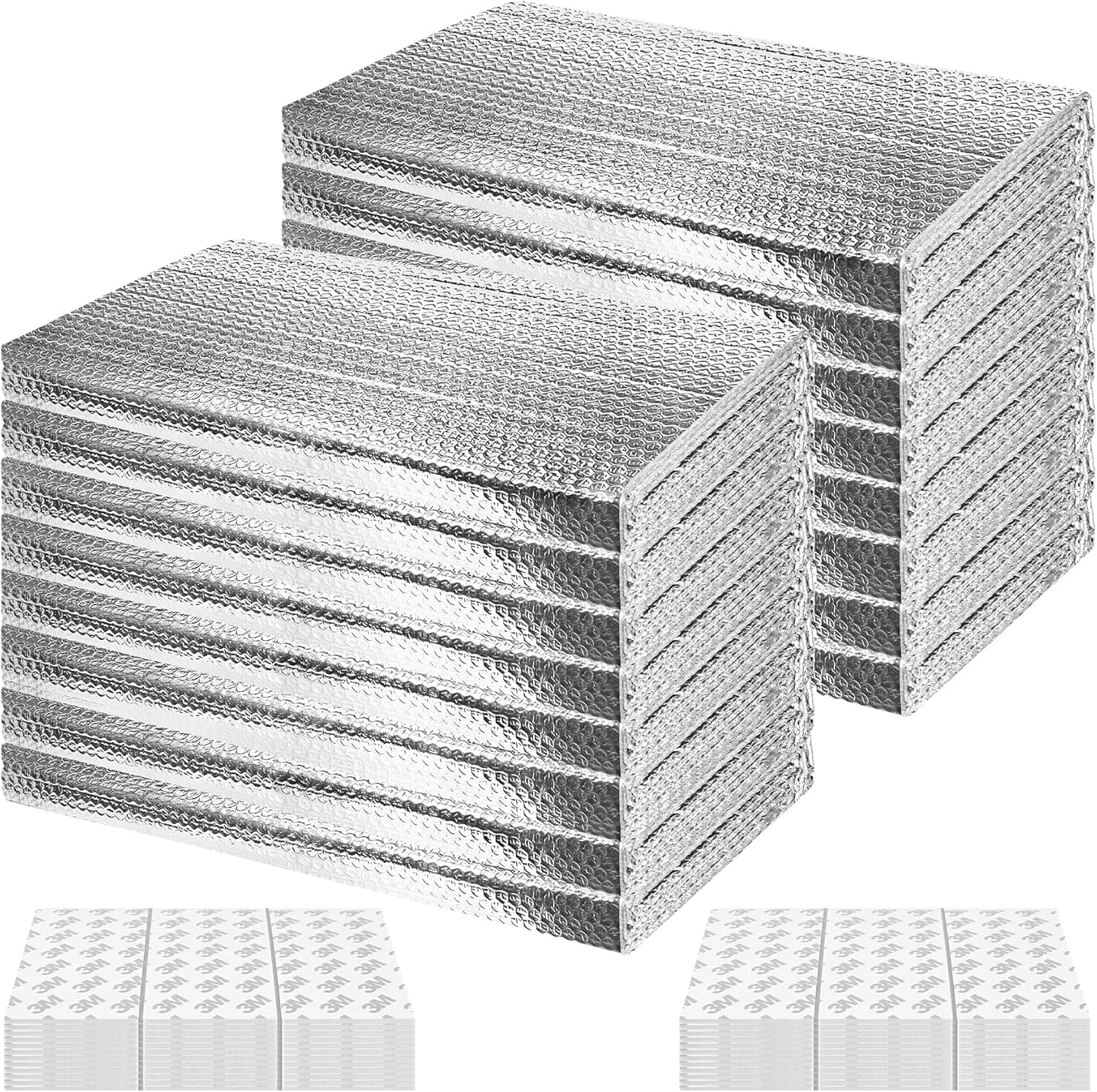
Insulate the shell before heating, since heating a leaky garage wastes energy. Fill open stud bays with fiberglass or mineral wool batts and cover with drywall; the garage door is the biggest weak point, so add an insulation kit and reseal the perimeter. Insulate the ceiling to at least the climate-recommended level and add a vapor barrier in cold, humid climates to prevent condensation. Choose electric heaters for safety and simplicity, or combustion heaters for more heat per dollar with proper venting and a CO detector. Size the heater to the insulated space and use a thermostat. An uninsulated garage swings from freezing to sweltering with the seasons, which makes it miserable to work in and hard on tools, adhesives, and stored liquids. Insulating the space is almost always the first move, because heating a leaky, uninsulated garage is like heating the outdoors. Once the shell holds temperature, a modest heater keeps it comfortable for a fraction of the running cost. Tackle the envelope first, then size the heat to what remains.
Products from this article
The highest-scoring picks from the buying guides this article links to. Scores are our editorial assessment, not customer ratings.
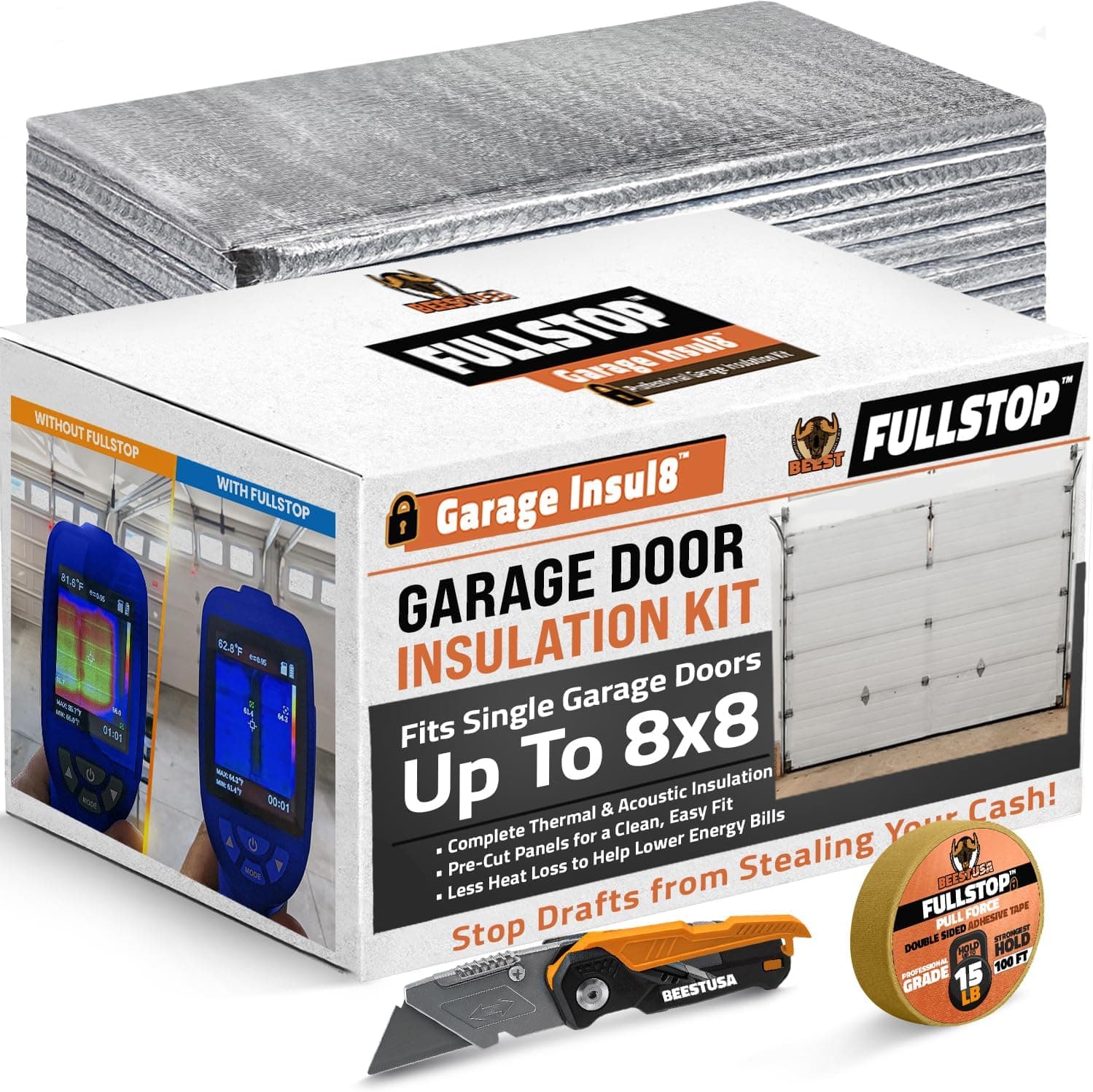
+ R Value 8.0 is clearly stated for comparing insulation
From our guide: Best Garage Door Insulation
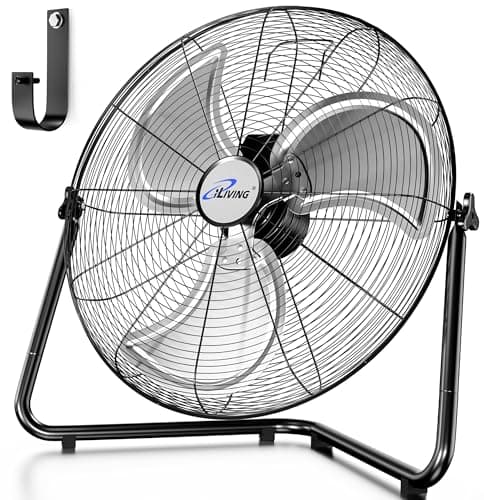
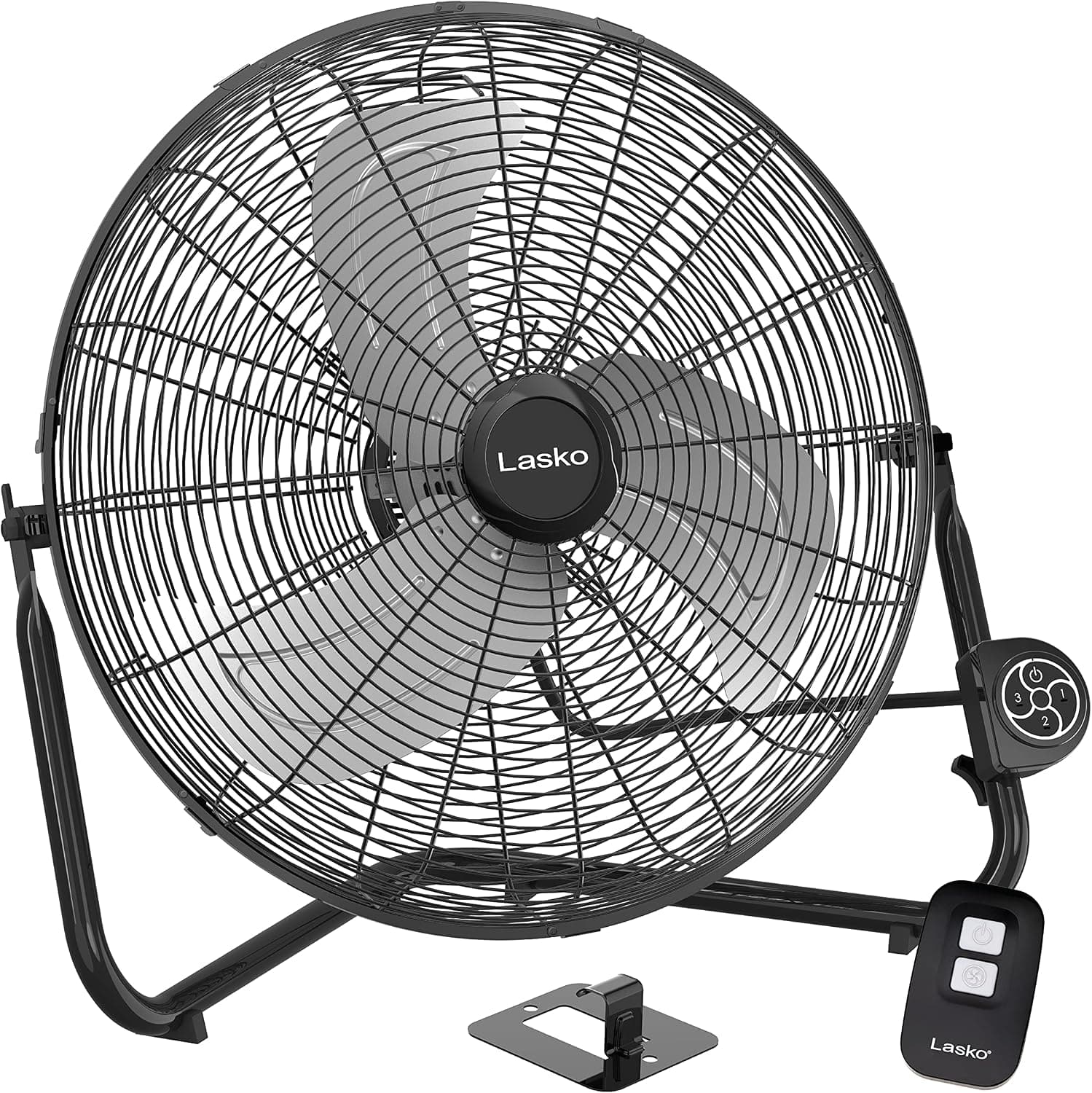
+ 5750 CFM airflow with three speeds and a 360-degree tilt head to aim air where you are working.
From our guide: Best Garage Fans
+ Includes tape, cutter and squeegee for a complete install
From our guide: Best Garage Door Insulation
+ Remote control adjusts speed from across the garage
From our guide: Best Garage Fans

Walls are the logical starting point
Walls are the logical starting point, and the approach depends on whether they are finished. Open stud bays make the job easy: fill them with fiberglass or mineral wool batts sized to the cavity depth, typically R-13 for 2x4 walls, then cover with drywall or oriented strand board to protect the insulation and create a fire barrier. Mineral wool adds fire resistance and better sound damping, which matters if you run loud tools. For finished walls you would rather not open, blown-in cellulose through small holes is a practical retrofit, though it is a bigger project.
The garage door is the biggest weak point
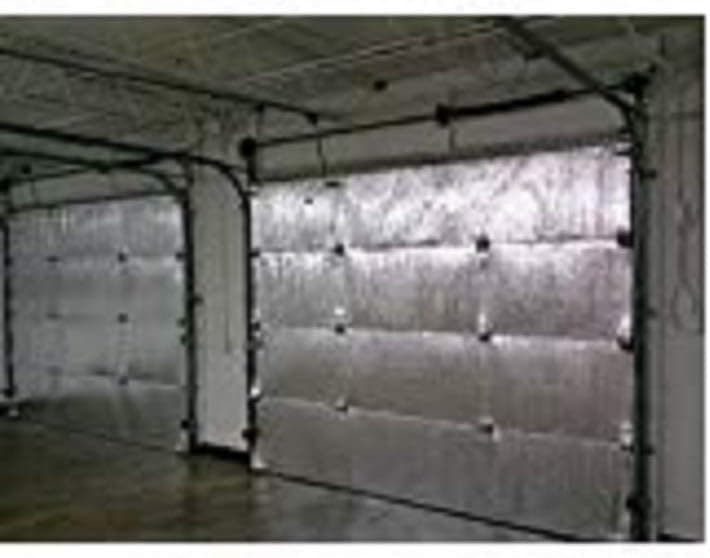
The garage door is the single biggest weak point and the most cost-effective place to improve. A standard steel door is essentially an uninsulated panel facing the weather, and it can undo the benefit of insulated walls. Garage-door insulation kits with rigid foam panels or reflective batts snap into the door sections and raise their R-value dramatically for modest money. Just as important is the perimeter seal: replace the bottom rubber gasket and add weatherstripping around the sides and top, because drafts around the door leak more heat than the panels themselves.
The ceiling and vapor barrier deserve attention too
The ceiling and the vapor situation deserve attention too. Heat rises, so an uninsulated ceiling bleeds warmth into the attic or the cold sky above. Insulate the ceiling to at least the level recommended for your climate, often R-30 or higher, using batts between joists or blown-in fill if there is an attic above. In cold, humid climates, install a vapor barrier on the warm interior side of wall insulation to keep moist indoor air from condensing inside the wall cavity, which prevents mold and rot. Skipping the vapor barrier is a mistake that shows up as damp insulation years later.
Choose a heater matched to the space and safety
With the envelope tightened, choose a heater matched to the space and, critically, to safety. Electric options are the safest and simplest for attached garages: a 240-volt electric unit heater mounted high in a corner heats a two-car garage efficiently and produces no combustion fumes, though it needs a dedicated circuit. Infrared or radiant heaters warm objects and people directly rather than the air, which suits a drafty space and gives quick comfort at the bench. Portable electric heaters work for occasional use but eat electricity and heat slowly.
Combustion heaters bring more heat but demand caution
Combustion heaters bring more heat per dollar but demand real caution. Propane and natural gas unit heaters put out strong, cheap warmth, yet they require proper venting and a carbon monoxide detector, and unvented models release moisture and combustion byproducts into the air you breathe. Never run an unvented combustion heater in a closed garage where you work for long stretches, and keep all heaters well clear of flammable liquids, fuel, and finishing products. A CO alarm is mandatory anytime you burn fuel indoors.
Bring it together with realistic expectations
Bring it together with realistic expectations and good habits. Insulation lets a small heater hold a steady, comfortable temperature; it will not make the space warm on its own. Size the heater to the insulated square footage, keep the door sealed while heating, and use a thermostat so you are not paying to heat an empty garage overnight. In many climates, a well-insulated garage with a modest electric heater stays comfortable through winter on far less energy than owners expect, turning a cold storage box into a genuine year-round workspace.
Frequently asked questions
Should I insulate a garage before adding a heater? Yes, insulation should come first, since heating a leaky, uninsulated garage is like heating the outdoors. A well-insulated shell lets a modest heater hold a steady temperature efficiently.
Why is the garage door the biggest heat loss point? A standard steel door is essentially an uninsulated panel facing the weather and can undo the benefit of insulated walls, so an insulation kit and a tight perimeter seal matter most.
Do I need a vapor barrier when insulating a garage? In cold, humid climates, yes. It goes on the warm interior side of wall insulation to keep moist indoor air from condensing inside the wall cavity, preventing mold and rot.
Is electric or gas heating safer for a garage? Electric heaters are the safest and simplest for attached garages since they produce no combustion fumes. Gas heaters put out more heat per dollar but require proper venting and a carbon monoxide detector.
Popular right now
- Best Tool Hanging SystemsBuying guide
- Best PegboardsBuying guide
- Building a Mechanic's Tool Kit From ScratchArticle
- Best Heavy-Duty ShelvingBuying guide
- Best WorkbenchesBuying guide
- Epoxy vs Tile Garage FlooringArticle
Based on the last 28 days of search and visitor data.