Setting Up a Car Maintenance Station in Your Garage
Published How we research
A dedicated car-maintenance station turns routine upkeep from a driveway ordeal into a quick, repeatable job you can do in your own garage. The idea is to concentrate the tools, fluids, lifting equipment, and waste handling for vehicle work into one organized zone, so an oil change or brake job means walking to a single station rather than scavenging the whole garage. A little planning here pays off every single time you pop the hood.
Products from this article
The highest-scoring picks from the buying guides this article links to. Scores are our editorial assessment, not customer ratings.
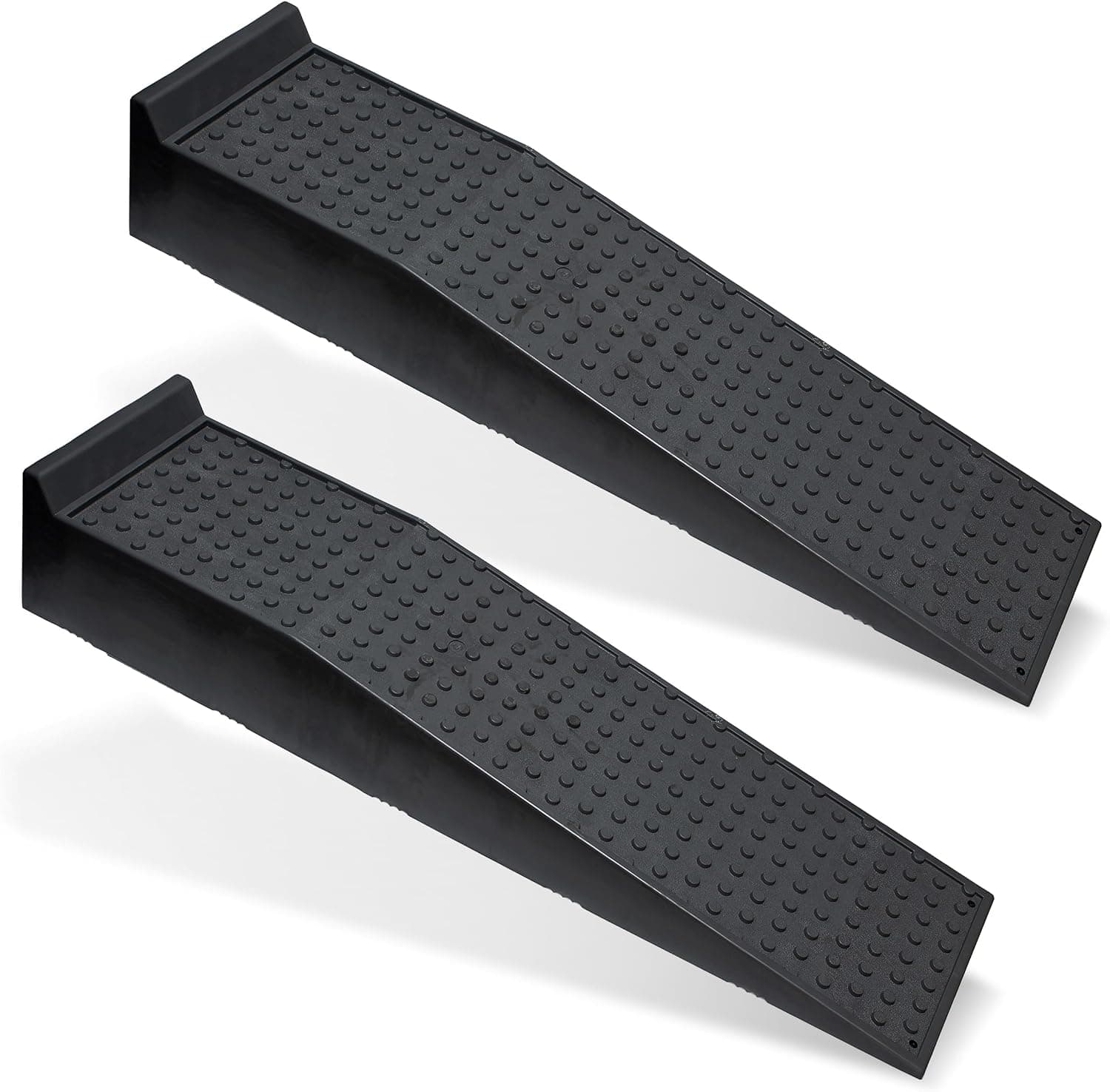
+ Extra-wide ramps fit wider tires on trucks and SUVs
From our guide: Best Car Ramps
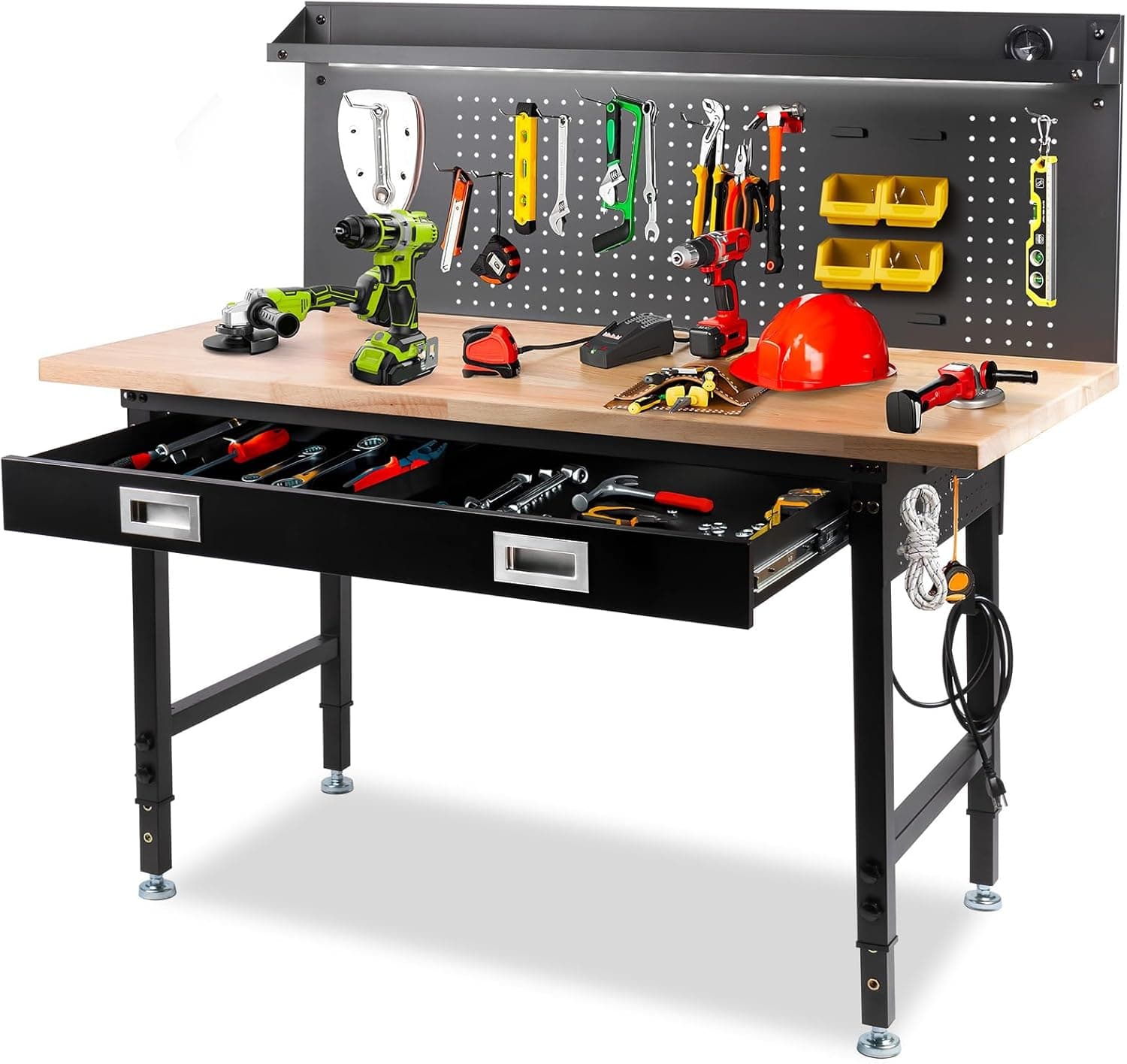
+ Strip light and large pegboard create a well-lit tool wall
From our guide: Best Workbenches
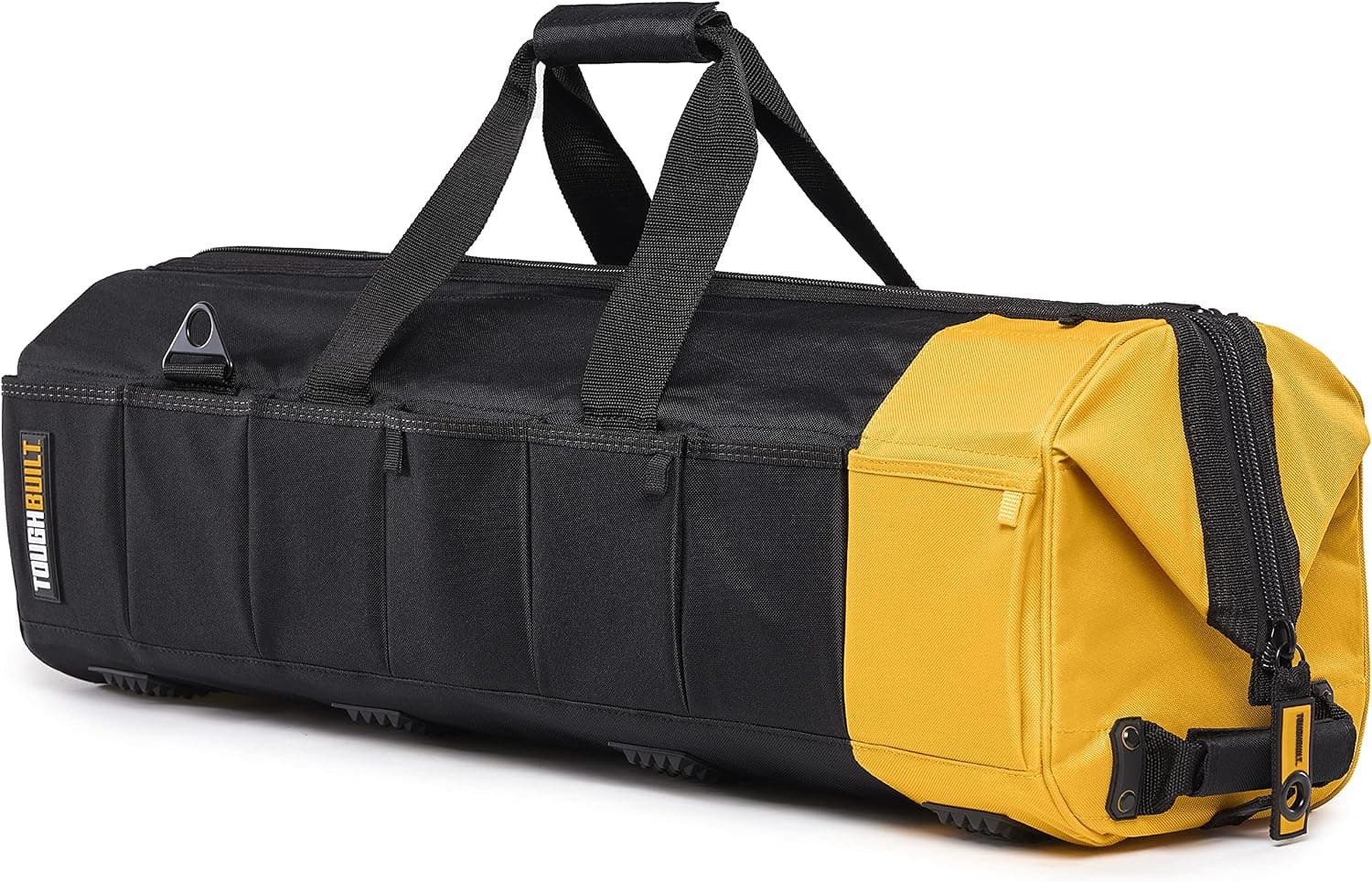
+ Waterproof hard base protects tools when set on wet job sites
From our guide: Best Tool Bags
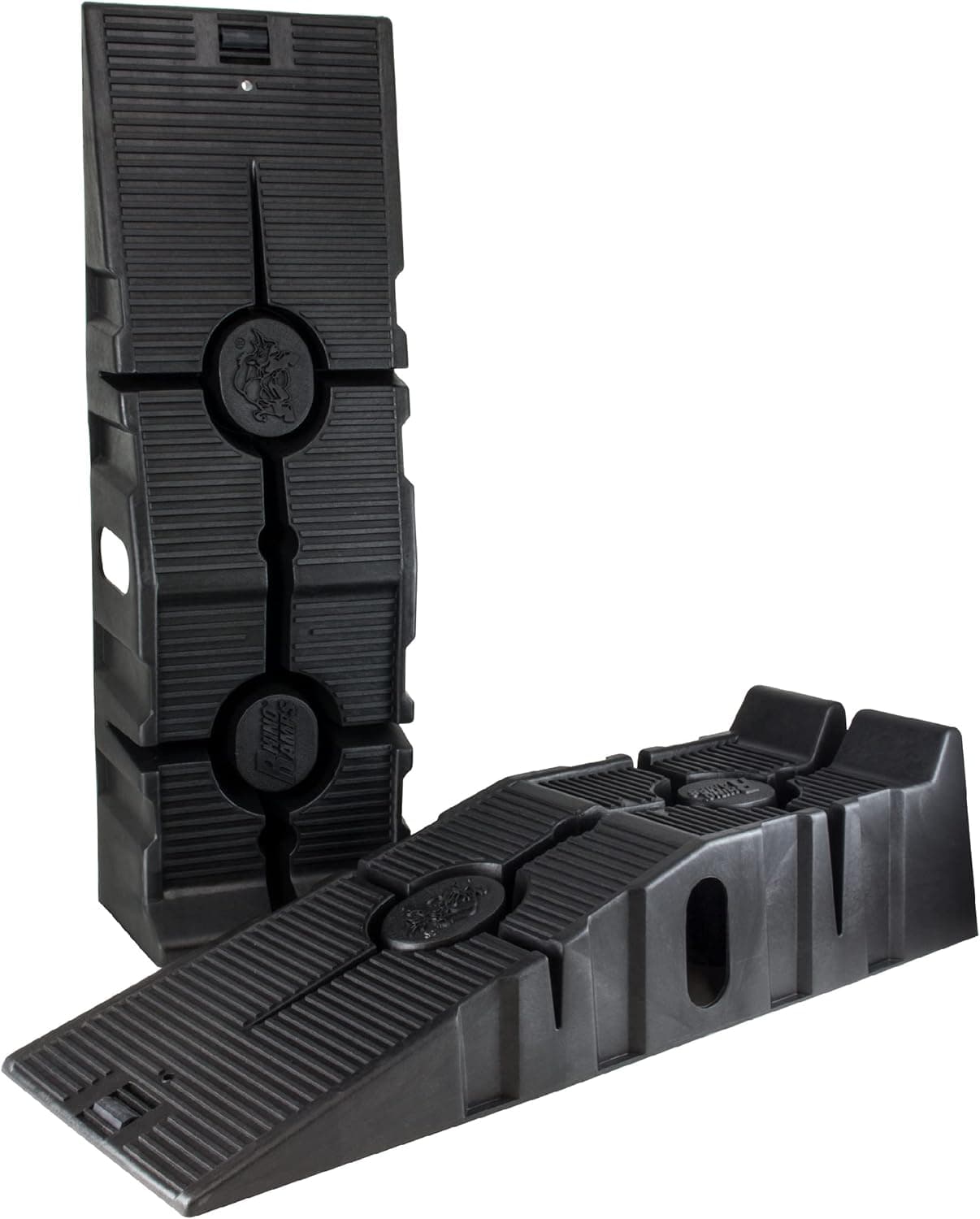
+ MAX version raises capacity to 16,000lb GVW
From our guide: Best Car Ramps

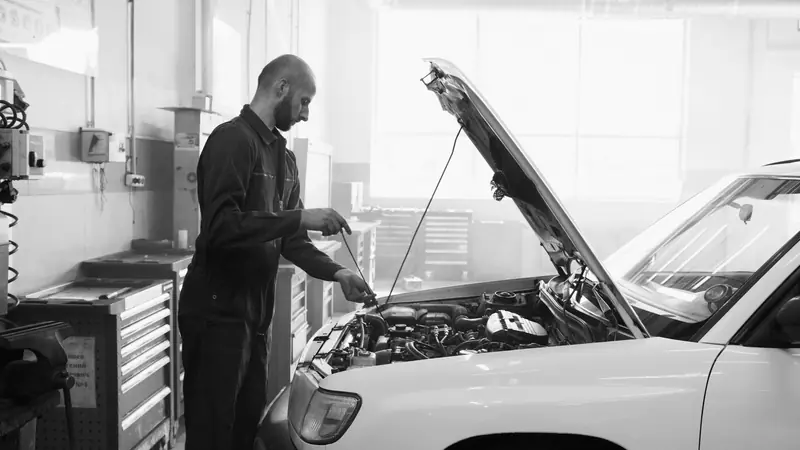
Start with the lifting and support gear, because safe access under the car is the foundation of everything else. A quality floor jack rated above your vehicle's weight lifts the car, but the jack is only for lifting, never for holding. Pair it with a set of properly rated jack stands, and always transfer the car onto the stands before any part of your body goes underneath. Wheel chocks keep the vehicle from rolling, and a low-profile creeper saves your back and clothes. This safety trio, jack, stands, and chocks, is non-negotiable and should live together at the station, ready to grab.
Organize the tools and consumables the station uses most, right where you work on the car. Keep your socket set, wrenches, a torque wrench, and pliers on a rolling cart or wall panel at the maintenance bay, separate from woodworking or general tools so they are always where car work happens. Stock the everyday consumables nearby: nitrile gloves, shop rags, brake cleaner, penetrating oil, funnels, and a drain pan. An oil filter wrench, a spark plug socket, and a fluid transfer pump cover the most common maintenance tasks. Having these staged means you can start a job without a supply run.
Fluid storage and disposal need a deliberate plan, since automotive fluids are both hazardous and messy. Store new oil, coolant, brake fluid, and other supplies on a shelf with a spill tray underneath, clearly labeled and away from ignition sources. Just as important is handling used fluids responsibly: keep a sealable oil drain container and a coolant container for transporting waste to a recycling center or auto parts store that accepts them. Never pour automotive fluids down a drain or onto the ground. A supply of absorbent material or oil-dry granules handles the inevitable spills and keeps the floor safe.
Protect the floor and light the work properly, because visibility and cleanliness make the difference between a smooth job and a frustrating one. A rubber mat or a section of oil-resistant flooring under the bay catches drips and gives you a clean surface to lie on. Overhead work benefits enormously from directed light, so add a bright, movable work light or a headlamp to see into the engine bay and under the car, where ceiling fixtures never reach. A pit-style under-hood light that hangs from the hood keeps both hands free.
Think about the workflow and the surrounding space so the station supports the whole job. Position the bay with enough room to open both doors and the hood fully, and to walk around the vehicle without squeezing. Keep a bench or cart surface nearby to set removed parts and fasteners on, ideally with small trays or magnetic dishes so bolts do not vanish. Store the vehicle's manual and your maintenance records at the station, because reference material at hand prevents guesswork on torque specs and fluid types.
Round out the station with the safety and comfort items that make you actually use it. A fire extinguisher rated for fuel and electrical fires belongs within reach whenever you work on a car, along with safety glasses and, for battery or exhaust work, adequate ventilation. A stool or kneeling pad, a magnetic parts tray, and a roll of shop towels within arm's reach all reduce friction. Set up thoughtfully, a home maintenance station lets you handle oil changes, brake pads, fluid flushes, and countless small repairs on your own schedule, saving money and building the confidence to tackle bigger jobs over time.
Popular right now
- Best Tool Hanging SystemsBuying guide
- Best PegboardsBuying guide
- Building a Mechanic's Tool Kit From ScratchArticle
- Best Heavy-Duty ShelvingBuying guide
- Best WorkbenchesBuying guide
- Epoxy vs Tile Garage FlooringArticle
Based on the last 28 days of search and visitor data.