Garage Safety Checklist: Fire, Fumes, Chemicals and Falling Gear
Published How we research
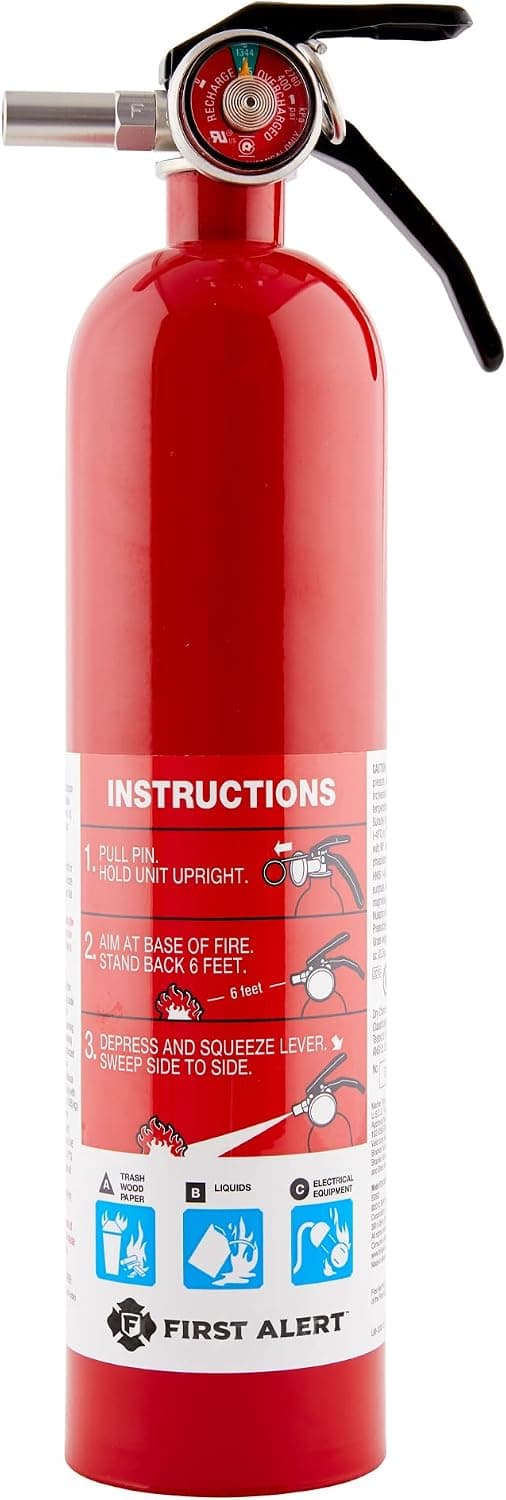
The garage is one of the more hazardous rooms in any home. It combines flammable liquids, power tools, sharp objects, heavy items stored overhead, and often a vehicle, all in one space that is easy to treat carelessly. A few thoughtful safety measures dramatically reduce the risk of fire, injury, and accidental poisoning. Building these habits into how you set up and use your garage protects everyone in the household.
Products from this article
The highest-scoring picks from the buying guides this article links to. Scores are our editorial assessment, not customer ratings.
+ 8.85 Lbs. unit carries more agent for garage fires
From our guide: Best Garage Fire Extinguishers
+ Waterproof hard base protects tools when set on wet job sites
From our guide: Best Tool Bags
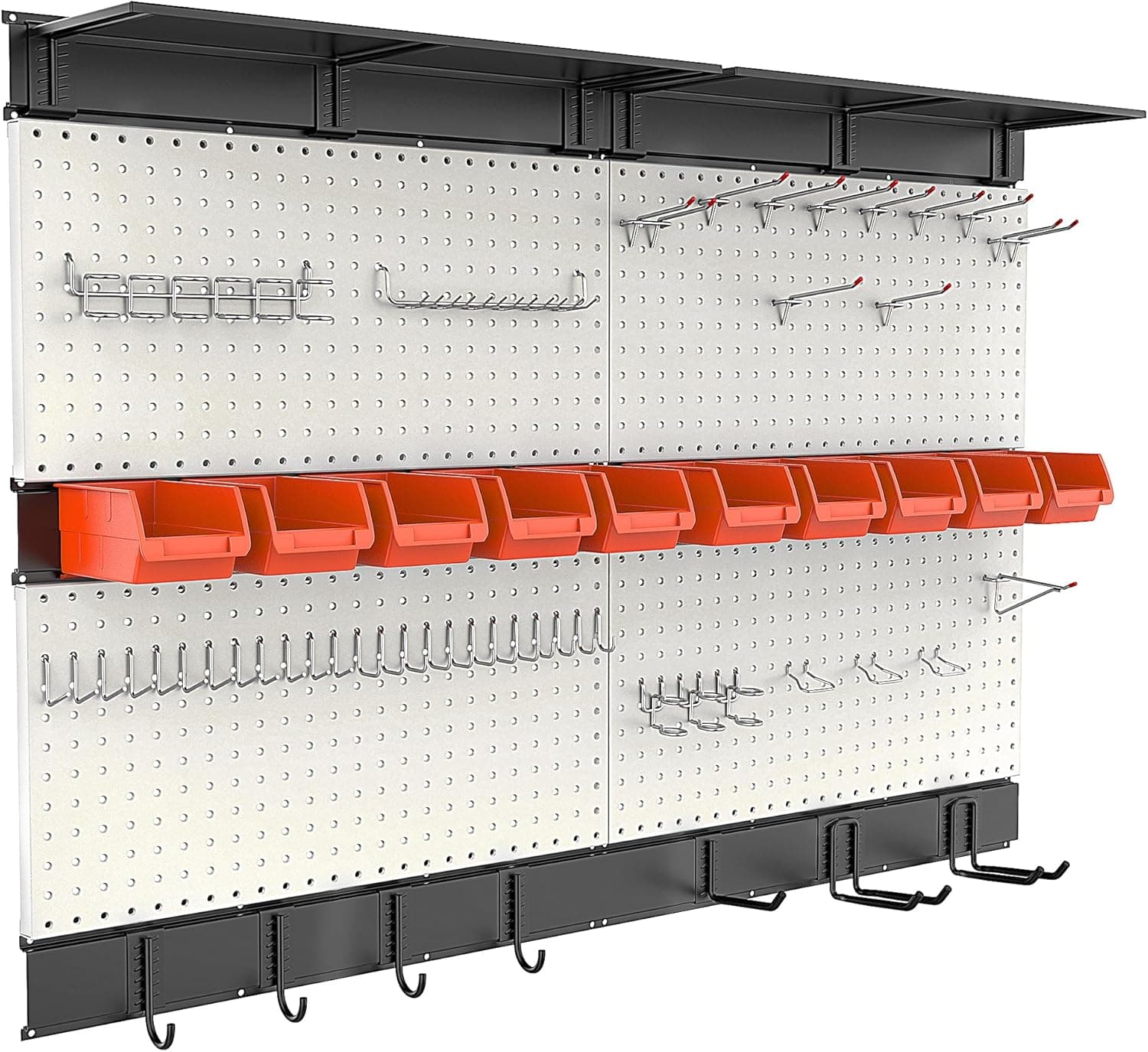
+ Complete 72pcs kit includes board, hooks and bins in one box
From our guide: Best Pegboard Tool Holders
+ Wall mount keeps the big extinguisher by the garage door
From our guide: Best Garage Fire Extinguishers
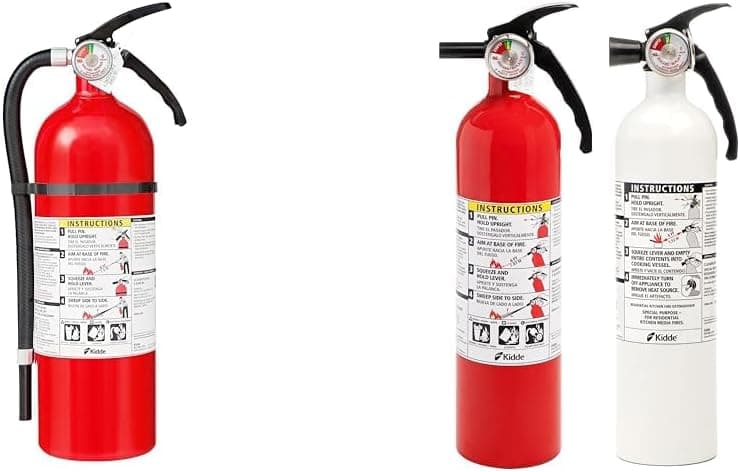

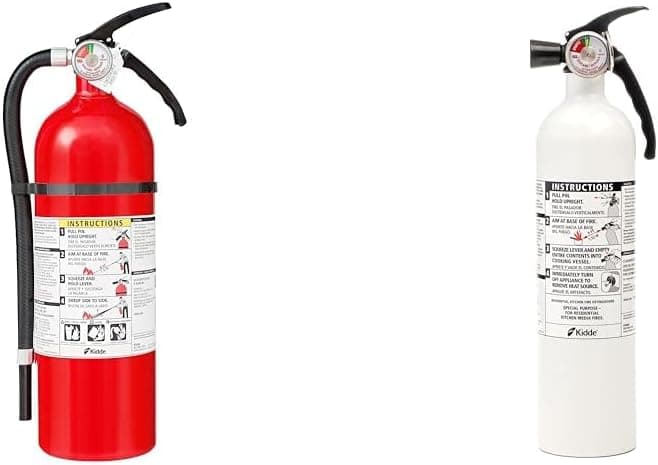

Fire prevention comes first, because garages hold so many flammable materials. Keep a fire extinguisher rated for multiple fire types mounted in an accessible spot, and make sure everyone knows where it is and how to use it. Store gasoline, propane, paint thinner, and other flammable liquids in approved containers, away from heat sources, water heaters, and anything that could spark. Never store fuel near an open flame or pilot light, and keep only what you reasonably need on hand.
Proper chemical and hazardous material storage protects both people and pets. Pesticides, fertilizers, automotive fluids, and cleaning chemicals should be kept in their original labeled containers, tightly sealed, and ideally in a locked cabinet out of reach of children and animals. Antifreeze in particular is dangerously appealing to pets, so clean up spills immediately. Keep incompatible chemicals separated and store them off the floor where leaks are easy to spot.
Ventilation is a quiet but critical safety factor. Running a car, using solvents, or working with paints and finishes in a closed garage can build up dangerous fumes and carbon monoxide quickly. Never run an engine in a closed garage, even for a moment. When working with fumes, open the door and use a fan to move air. Consider a carbon monoxide detector if the garage is attached to living space, since fumes can seep into the home.
Secure the physical hazards that cause everyday injuries. Anchor tall shelving units to the wall so they cannot tip, and store heavy items on lower shelves where a fall does less damage. Make sure overhead storage racks are properly rated and bolted into joists so nothing comes crashing down. Keep sharp tools stored with blades and points guarded, and coil and hang extension cords rather than leaving them to snake across the floor as trip hazards.
Finally, childproof and light the space well. If children have any access to the garage, lock up tools, chemicals, and anything sharp, and be mindful of the automatic garage door, which should have working safety sensors that reverse when something is in its path. Keep the floor clear and well lit to prevent trips and falls, mount a first aid kit where you can grab it fast, and test your smoke and carbon monoxide detectors regularly. These essentials take little effort to set up and make the garage a far safer place to work and store your belongings.
Popular right now
- Best Tool Hanging SystemsBuying guide
- Best PegboardsBuying guide
- Building a Mechanic's Tool Kit From ScratchArticle
- Best Heavy-Duty ShelvingBuying guide
- Best WorkbenchesBuying guide
- Epoxy vs Tile Garage FlooringArticle
Based on the last 28 days of search and visitor data.