Organizing Hand and Power Tools So You Can Find Everything Fast
Published How we research
Sort everything by function first, purging duplicates and broken tools, and separate items into daily-use, occasional, and rarely-used tiers by proximity to the bench. Give hand tools visible storage like a shadow board or labeled drawer organizers grouped by task. Dedicate shelf sections to power tools with their accessories, and set up a charging station so batteries stay topped up. Store small parts and consumables in labeled, divided bins. Build the layout around your actual workflow rather than symmetry, and end every session with a quick reset to keep the system maintained. A garage full of good tools is useless if you spend ten minutes hunting for the right one before every job. Organization is what converts a pile of equipment into a workshop, and the guiding principle is simple: every tool gets one obvious home, and that home sits close to where the tool gets used. When you can find any tool in seconds and see at a glance what is missing, the whole space works with you instead of against you.
Products from this article
The highest-scoring picks from the buying guides this article links to. Scores are our editorial assessment, not customer ratings.
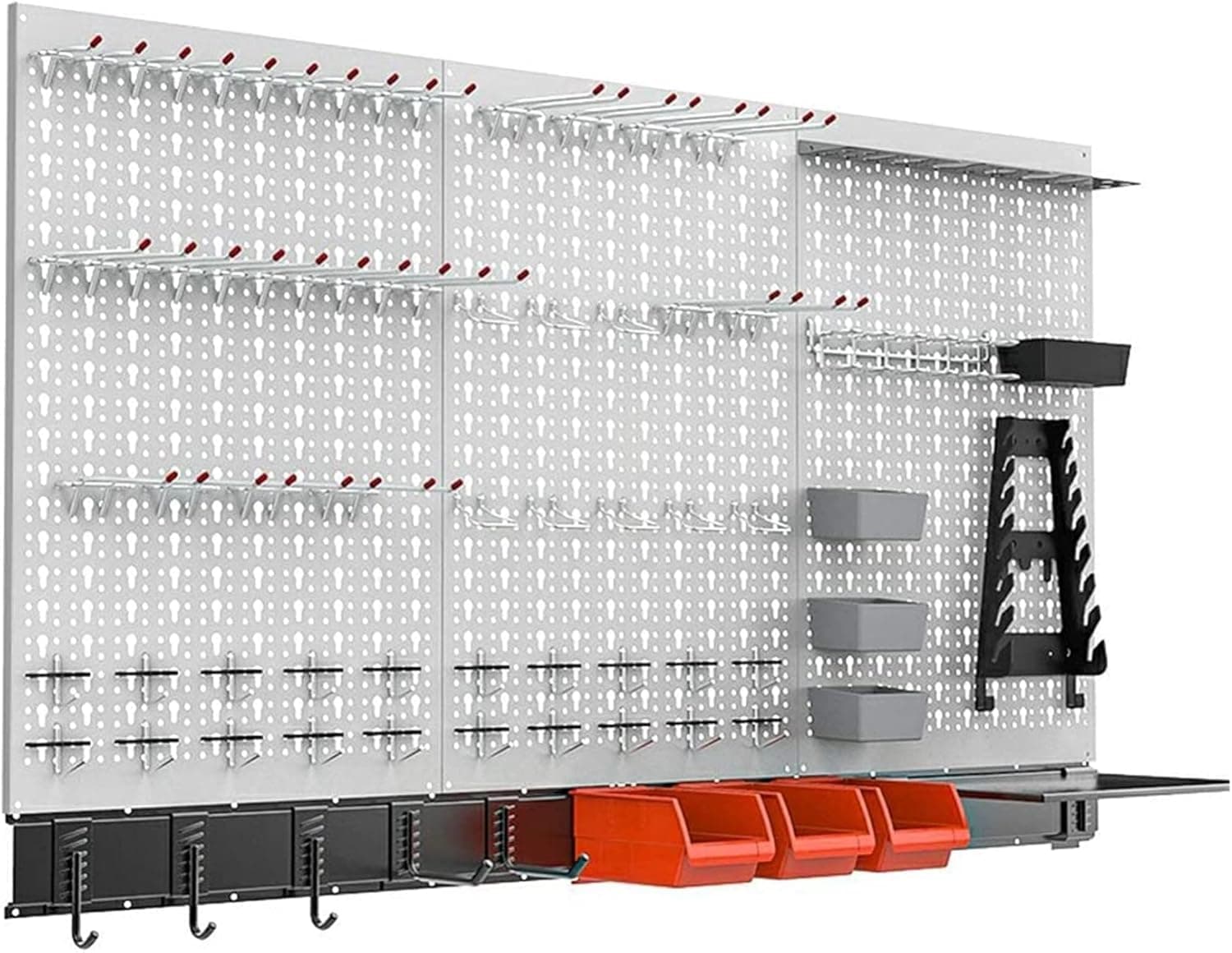
+ Complete 72pcs kit includes board, hooks and bins in one box
From our guide: Best Pegboards
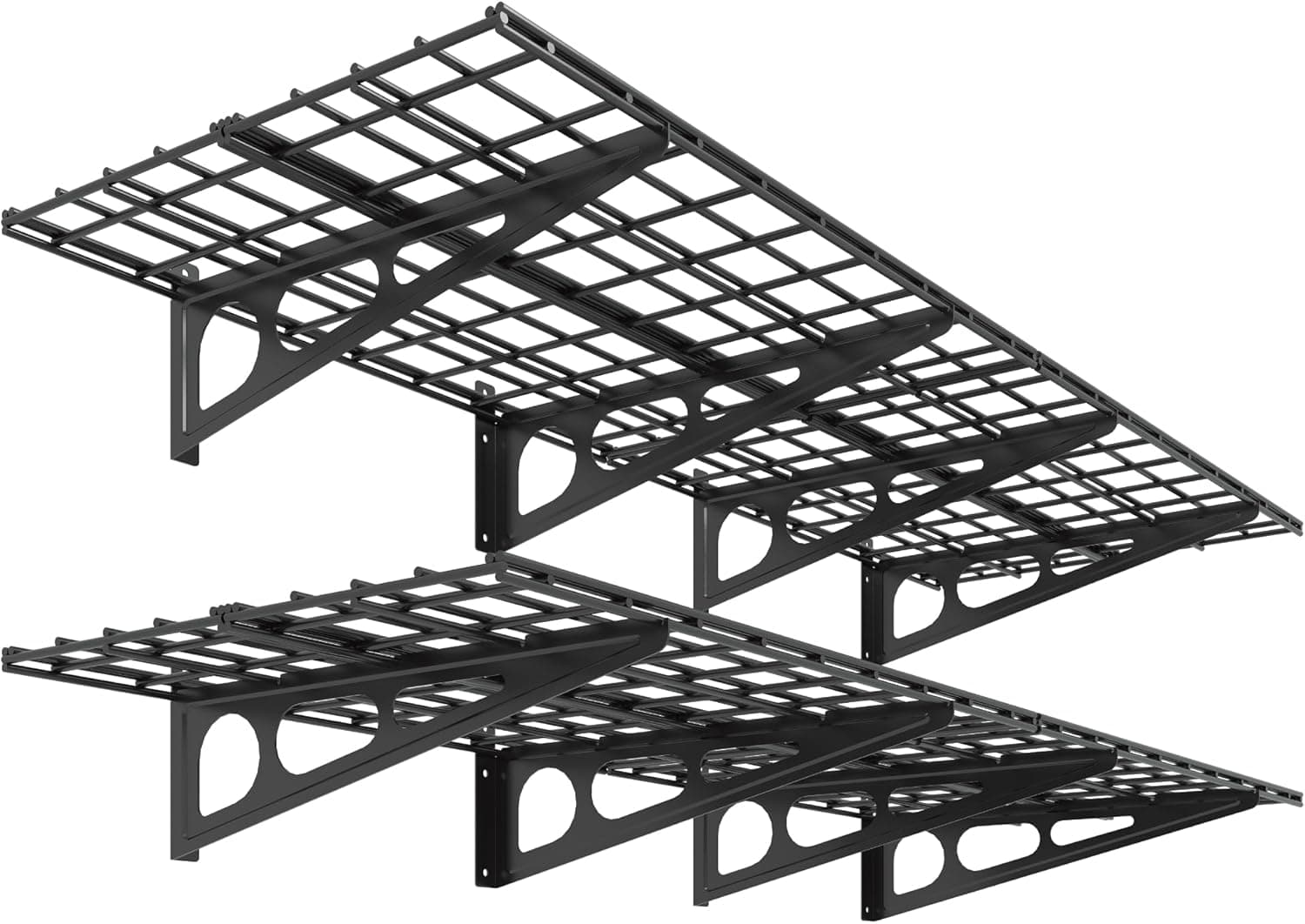
+ 1400lbs load capacity handles bins and heavy bulk items
From our guide: Best Tool Hanging Systems
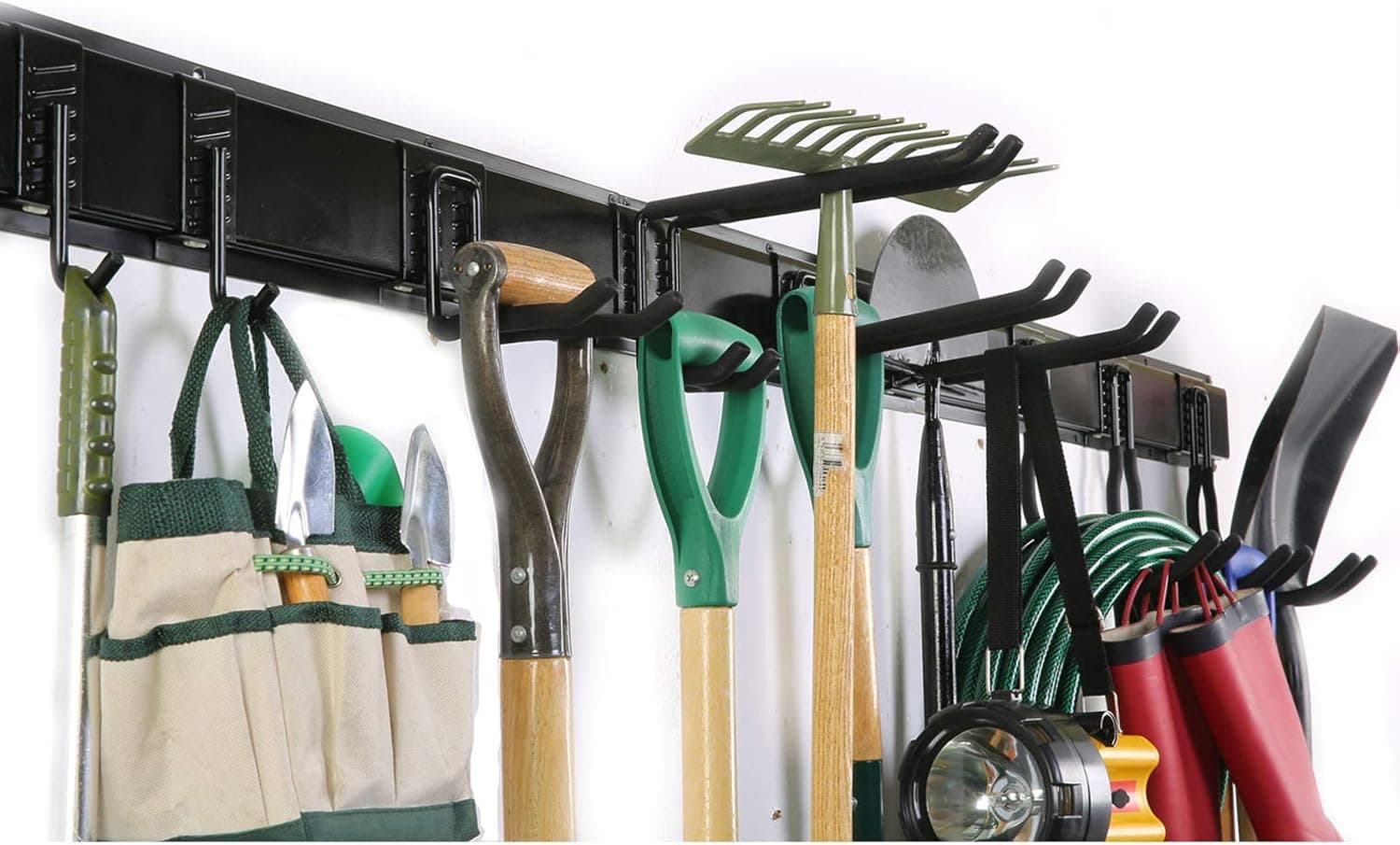
+ 64 inch rails give more hanging length than shorter rail systems
From our guide: Best Tool Organizers
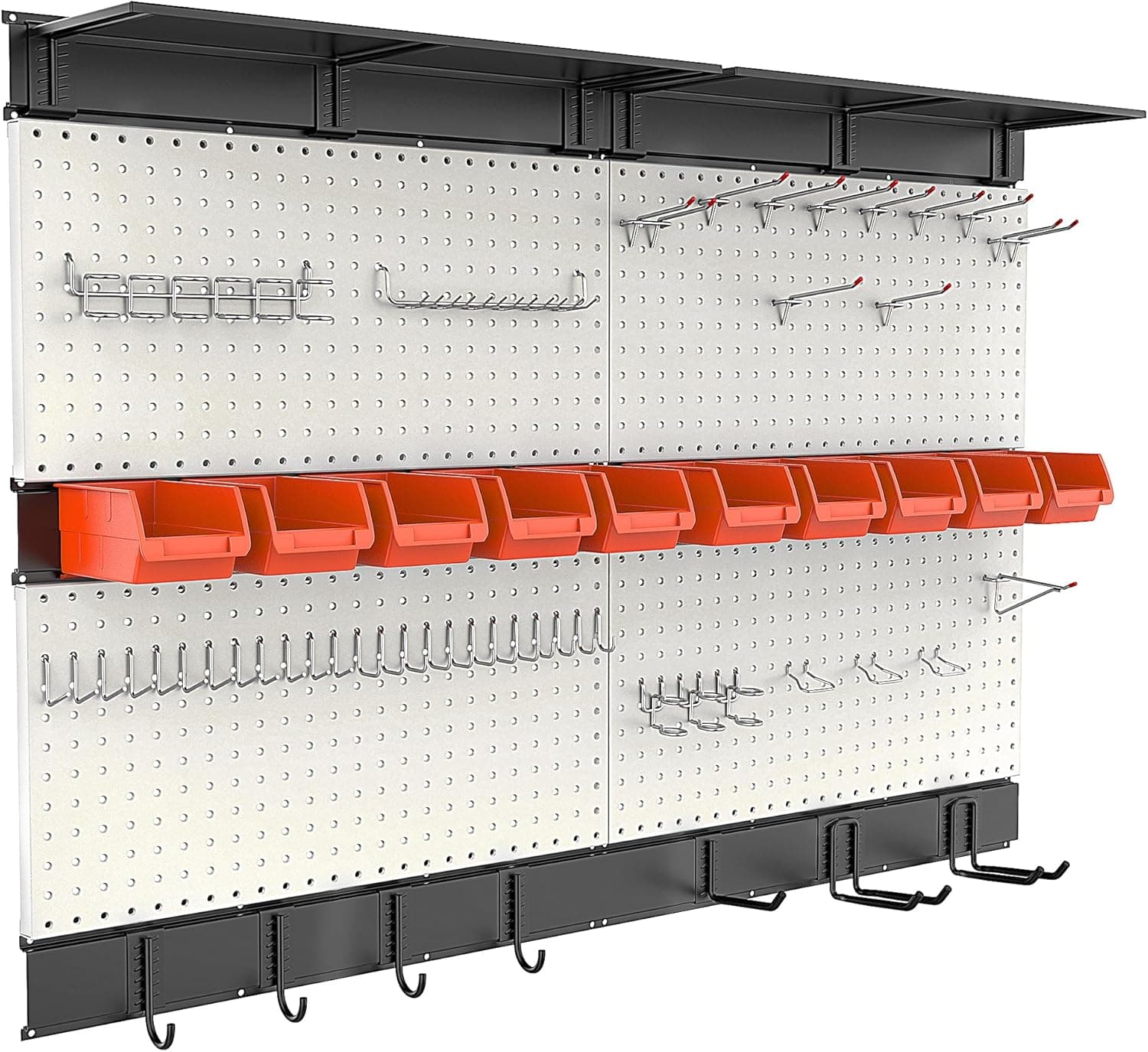
+ All-black look hides grime and suits modern garages
From our guide: Best Pegboards
Begin by sorting everything you own
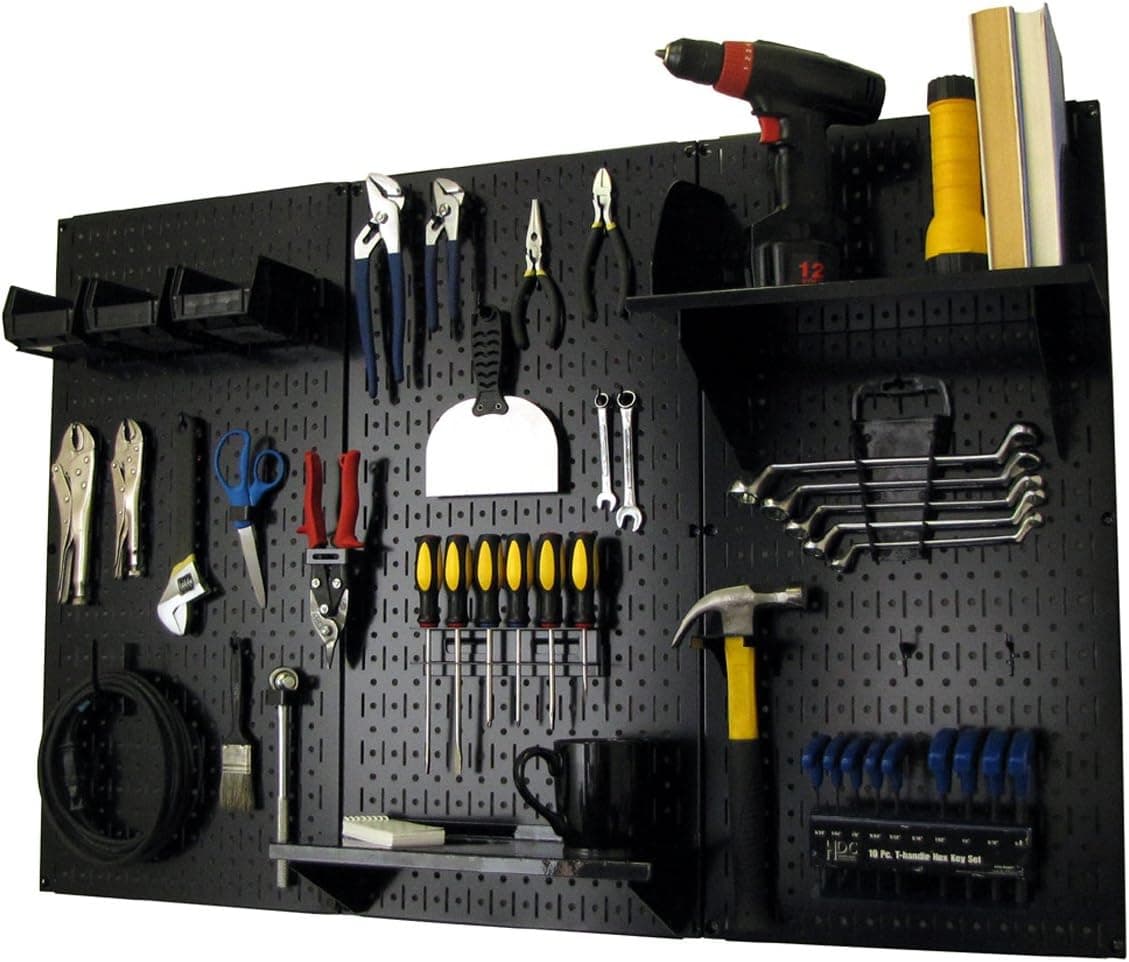
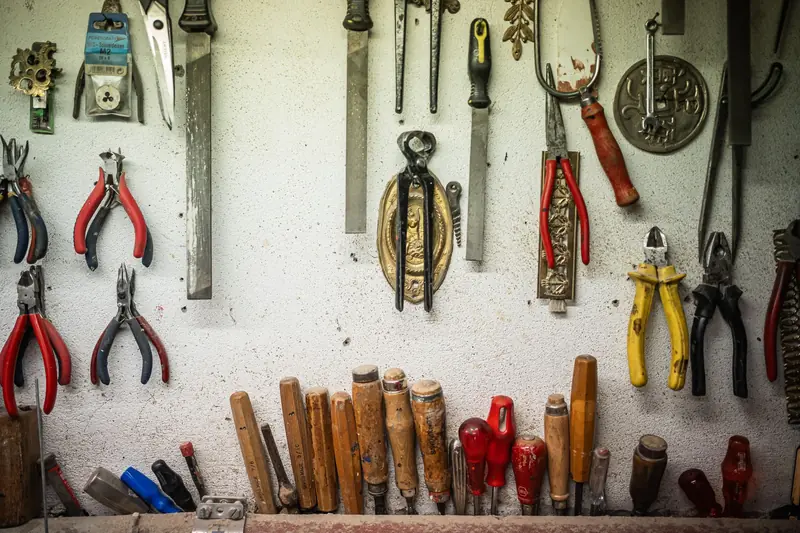
Begin by sorting everything you own, ideally by dumping it out and grouping by function. You will almost certainly find duplicates, broken tools, and things you forgot you had. Separate tools into daily-use, occasional, and rarely-used tiers, because access should match frequency. The tools you reach for constantly belong at the bench within arm's reach, occasional tools go in nearby drawers or on the wall, and rarely-used items can live in higher cabinets or bins. Purge the broken and redundant now, before you build storage around clutter.
Hand tools reward visible, at-a-glance storage
Hand tools reward visible, at-a-glance storage. A shadow board, where you trace each tool's outline on a pegboard or French cleat wall, makes a missing tool instantly obvious and gives everything a designated spot. For drawers, use foam tool organizers or custom-cut liners so wrenches and sockets sit in labeled rows rather than sliding into a jumbled heap. Group by task: keep the sockets, ratchets, and extensions together; keep the screwdrivers and pliers together. The goal is that reaching for one tool in a job puts its companions right beside it.
Power tools need a different strategy
Power tools need a different strategy because they are bulky, come with accessories, and often share batteries. Dedicate a shelf or cabinet section to each major tool and store its accessories with it: the drill with its bits and drivers, the circular saw with its blades and guide. If you have moved to a cordless platform, set up a charging station on a shelf near an outlet where batteries live on their chargers, always topped up and easy to grab. Nothing kills momentum like discovering every battery is dead, so make charging the default resting state.
Small parts and consumables deserve their own system
Small parts and consumables deserve their own dedicated system, because loose fasteners are the fastest route back to chaos. Use clear, labeled bins, small-parts organizers with divided compartments, or stackable cases for screws, nails, anchors, and connectors. Label everything, even when the contents seem obvious, because labels turn a shared or aging memory into a reliable system. A wall of labeled bins near the workbench keeps hardware sorted by type and size and makes restocking simple, since you can see at a glance what is running low.
Build the layout around your actual workflow
Build the layout around your actual workflow rather than around symmetry. Watch how you move during a typical project and place storage to shorten those paths. The workbench should be the gravitational center, with the most-used hand tools on the wall directly above it, frequently used power tools within a step, and reference materials, manuals, and less common gear farther out. Mobile tool carts bridge stationary storage and the point of work, letting you bring a tray of exactly the right tools to the car or project and roll it back when done.
Protect the system with a maintenance habit
Finally, protect the system with a maintenance habit, because organization decays without it. End every session with a short reset: wipe tools down, return each to its home, top off batteries, and sweep the bench clear. Do a deeper review every few months to catch tools that have drifted and to adjust placement as your habits change. The best storage system is the one you will actually maintain, so keep it simple enough that putting things back is easier than leaving them out. That single discipline is what keeps a well-organized garage organized for good.
Frequently asked questions
What is the best way to organize hand tools in a garage? A shadow board, where you trace each tool's outline on a pegboard or French cleat wall, makes a missing tool instantly obvious and gives everything a designated spot.
How should I organize power tools and batteries? Dedicate a shelf or cabinet section to each major tool with its accessories, and set up a charging station near an outlet so batteries stay topped up and ready to grab.
How do I stop garage tool storage from becoming cluttered again? End every session with a short reset: wipe tools down, return each to its home, and sweep the bench clear. Do a deeper review every few months to catch drift.
Where should the most-used tools be stored in a garage? Within arm's reach of the workbench, which should be the gravitational center of the layout, with occasional tools nearby and rarely-used items farther out.
Popular right now
- Best Tool Hanging SystemsBuying guide
- Best PegboardsBuying guide
- Building a Mechanic's Tool Kit From ScratchArticle
- Best Heavy-Duty ShelvingBuying guide
- Best WorkbenchesBuying guide
- Epoxy vs Tile Garage FlooringArticle
Based on the last 28 days of search and visitor data.