How to Organize a Garage
Published How we research
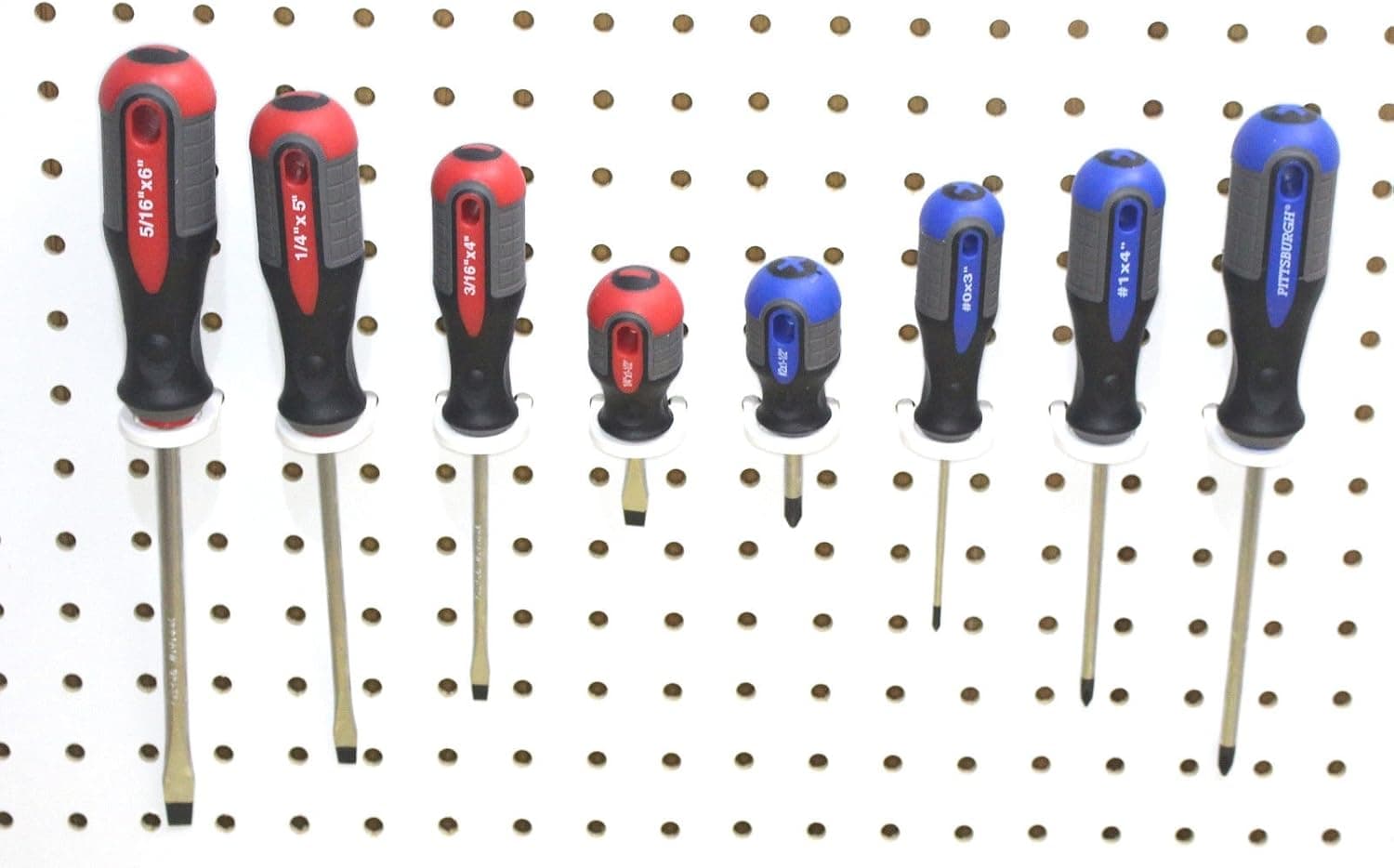
If your garage has slowly turned into a catch-all for everything that does not have a home, you are in good company. The good news is that a garage is one of the easiest rooms to transform, because most of the mess comes from a lack of designated homes rather than a lack of space. With a free weekend and a clear plan, you can go from stepping over boxes to parking your car again.
Products from this article
The highest-scoring picks from the buying guides this article links to. Scores are our editorial assessment, not customer ratings.
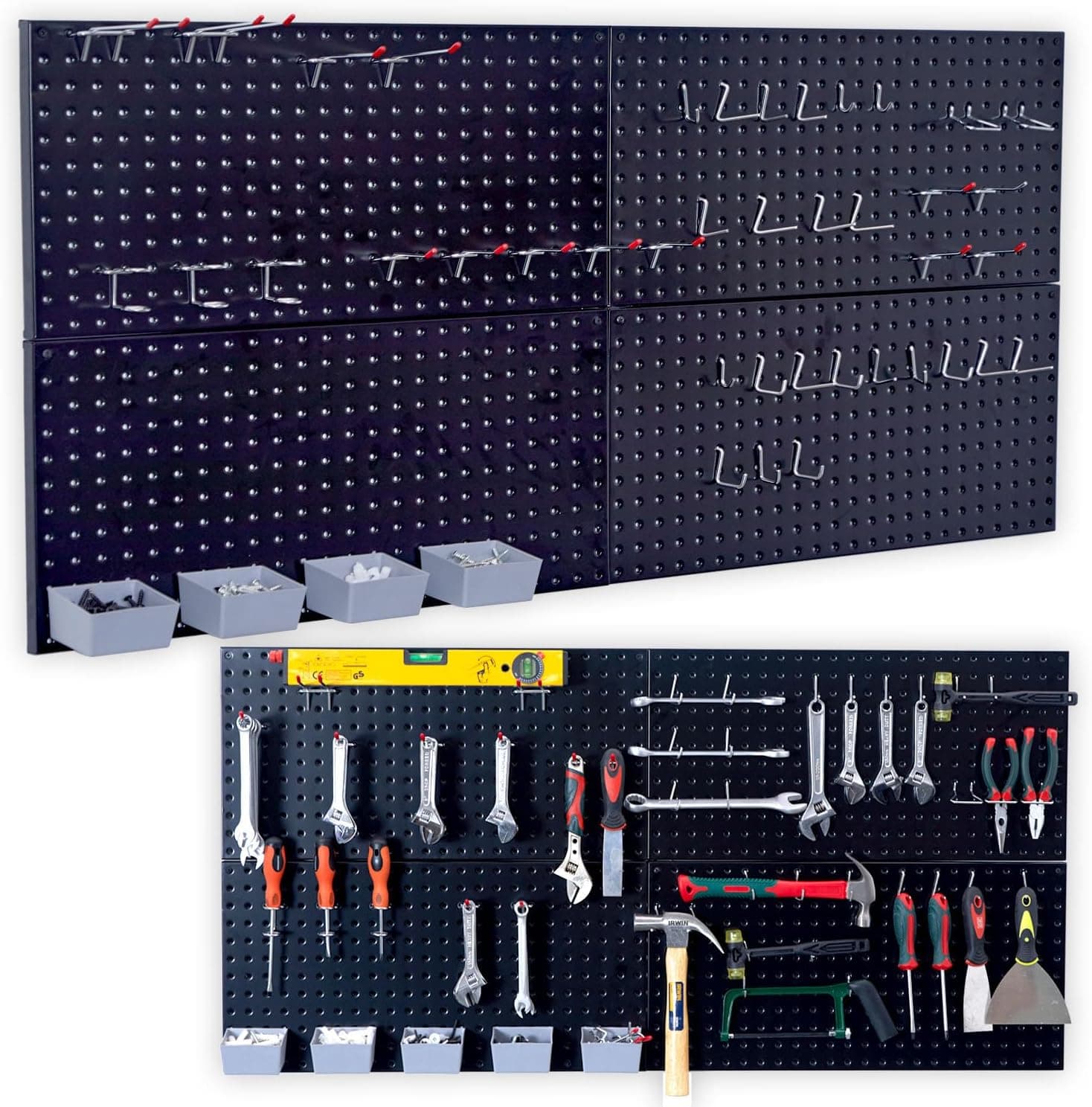
+ Complete 72pcs kit includes board, hooks and bins in one box
From our guide: Best Pegboard Tool Holders
+ Deep and shallow sockets reach recessed nuts and studs
From our guide: Best Mechanic Tool Sets
+ The 79 x 24 x 79 inch footprint gives long, deep shelves for totes and bulky equipment.
From our guide: Best Garage Shelving Units
+ Steel peg board holds heavier tools than hardboard panels
From our guide: Best Pegboard Tool Holders
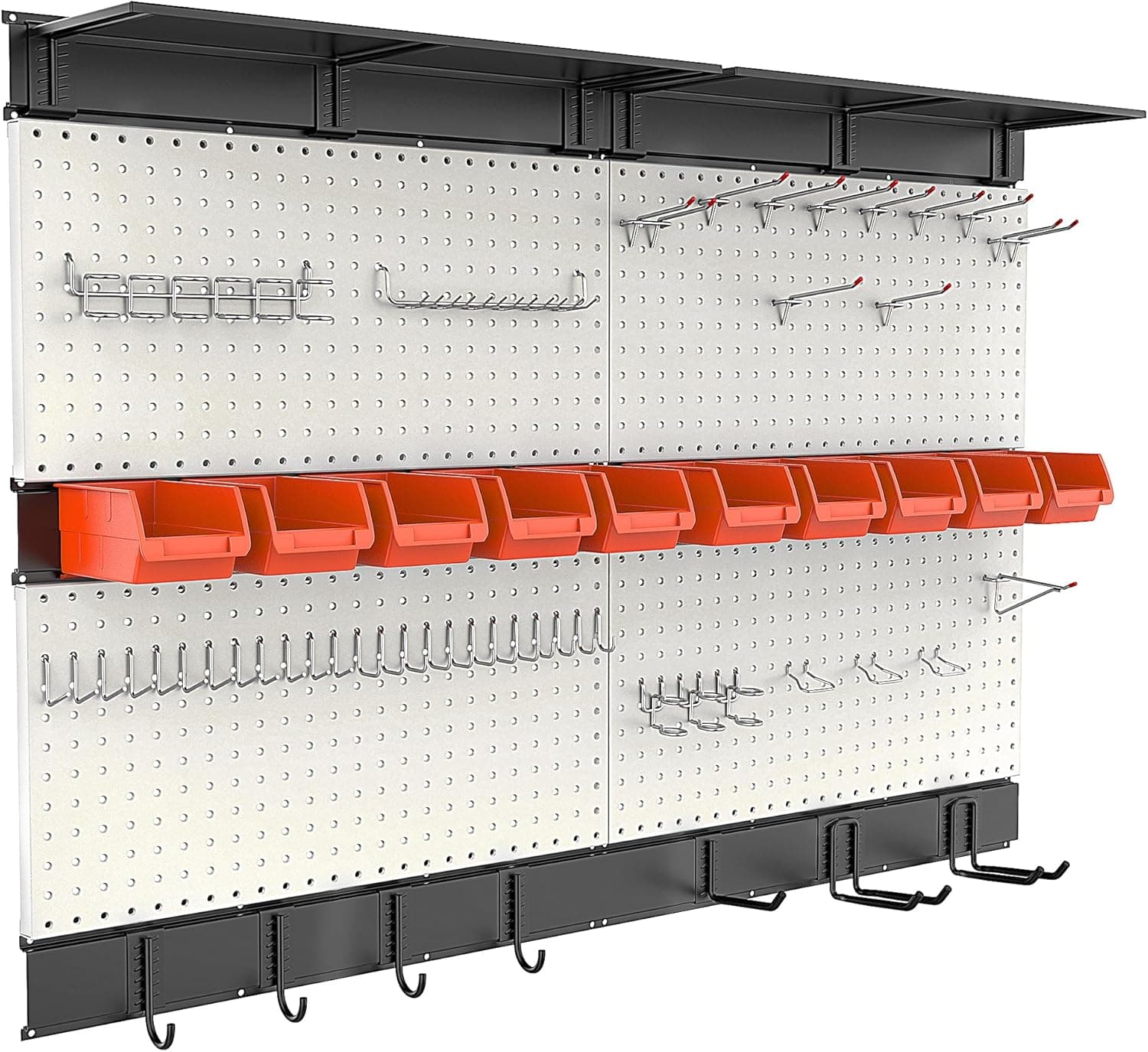
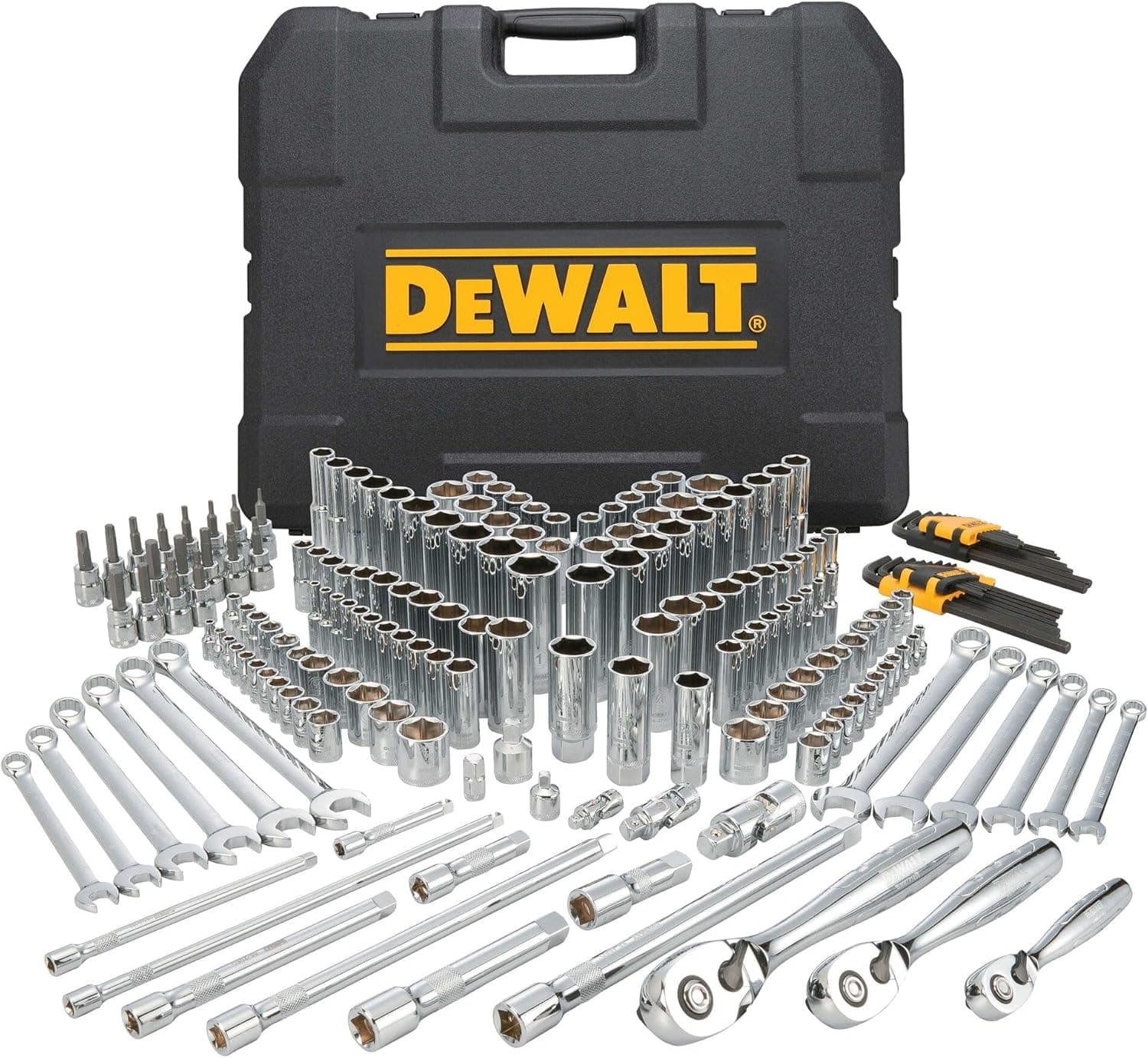
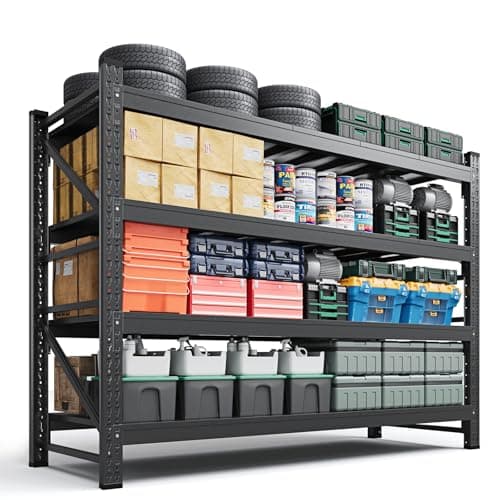

Start by emptying the entire space. It feels drastic, but pulling everything onto the driveway is the single most effective move you can make. When items are spread out in daylight, you can finally see what you actually own, group like with like, and make honest decisions. Set up four zones on the driveway: keep, donate, trash, and relocate. Be firm. If you have not touched something in a couple of years and it has no clear future use, it is taking up space you could use for tools and gear you love.
While the garage is empty, clean it properly. Sweep the floor, knock down cobwebs, and wipe any shelving you plan to reuse. This is also the ideal moment to inspect for moisture, cracks, or pests before you fill the room again. A clean slate makes the finished result feel intentional rather than rushed.
Next, think in zones based on how you use the garage. A common layout includes a lawn and garden corner, a sports and outdoor recreation area, a tools and workshop wall, and a bulk household storage section for paper goods and seasonal bins. Keep frequently used items at eye level and within easy reach. Push seldom-touched seasonal gear to higher shelves or overhead racks. Store heavy items low so lifting stays safe.
Get things off the floor wherever you can. Vertical storage is the heart of any organized garage. Wall-mounted systems like pegboard, slatwall, and heavy-duty hooks turn bare walls into working storage for rakes, bikes, ladders, and hoses. Freestanding shelving units handle bins and boxes, while overhead racks reclaim the dead space above your garage door for luggage and holiday decorations.
Once everything has a home, label clearly. Clear bins let you see contents at a glance, and simple printed or handwritten labels make it obvious where things belong when you put them away. Labeling is what keeps a garage organized long after the initial push, because everyone in the household knows the system.
Finally, build a short maintenance habit. Spend fifteen minutes every month or two returning strays to their zones and reassessing anything that is creeping back onto the floor. Organizing a garage is not a one-time event so much as a system you maintain, and a light touch every few weeks beats another full-weekend overhaul down the road.
Popular right now
- Best Tool Hanging SystemsBuying guide
- Best PegboardsBuying guide
- Building a Mechanic's Tool Kit From ScratchArticle
- Best Heavy-Duty ShelvingBuying guide
- Best WorkbenchesBuying guide
- Epoxy vs Tile Garage FlooringArticle
Based on the last 28 days of search and visitor data.