How to Set Up a Home Workshop in Your Garage
Published How we research
Define your workshop's purpose and claim a zone along a wall with power and good light, separated from parking and general storage. Invest in a sturdy workbench at a comfortable height first, adding a fold-down wall-mounted option if space is tight. Add power strips or dedicated circuits and bright, shadow-free LED lighting plus a task light. Combine wall systems like pegboard or slatwall with cabinets and drawers so every tool has a labeled home. Finally, plan for safety from day one with a fire extinguisher, first aid kit, ventilation, and protective gear kept where you'll actually use them. Turning part of your garage into a dedicated home workshop is one of the most rewarding projects a DIYer can take on. A proper workshop gives you a place to build, repair, and create without dragging tools in and out or clearing the kitchen table. You do not need a huge space or a big budget to start, just a thoughtful plan that grows with you. Here is how to lay the groundwork for a workshop that actually works.
Products from this article
The highest-scoring picks from the buying guides this article links to. Scores are our editorial assessment, not customer ratings.
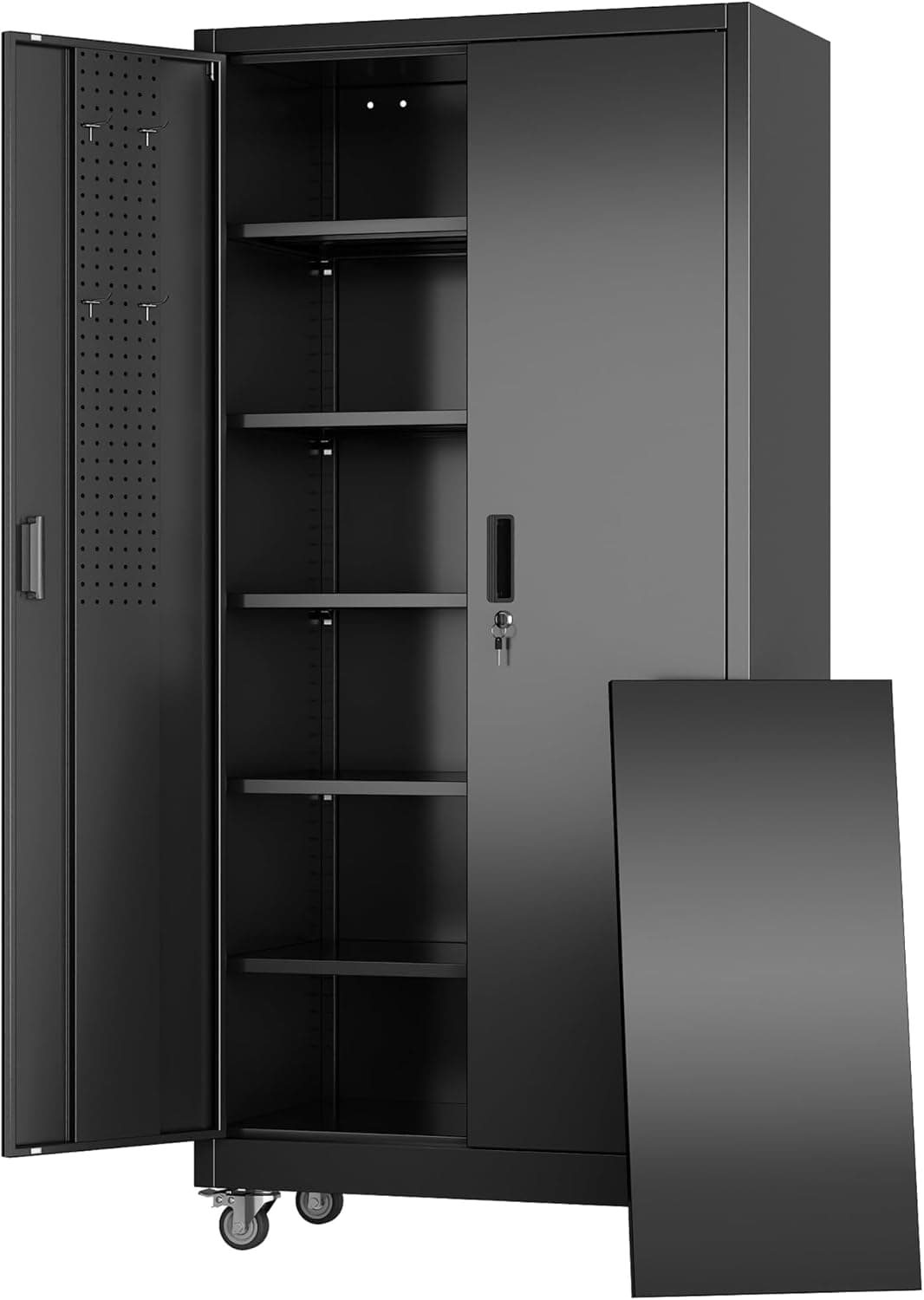
+ Wheels let you roll the cabinet out to clean or rearrange the garage
From our guide: Best Garage Storage Cabinets
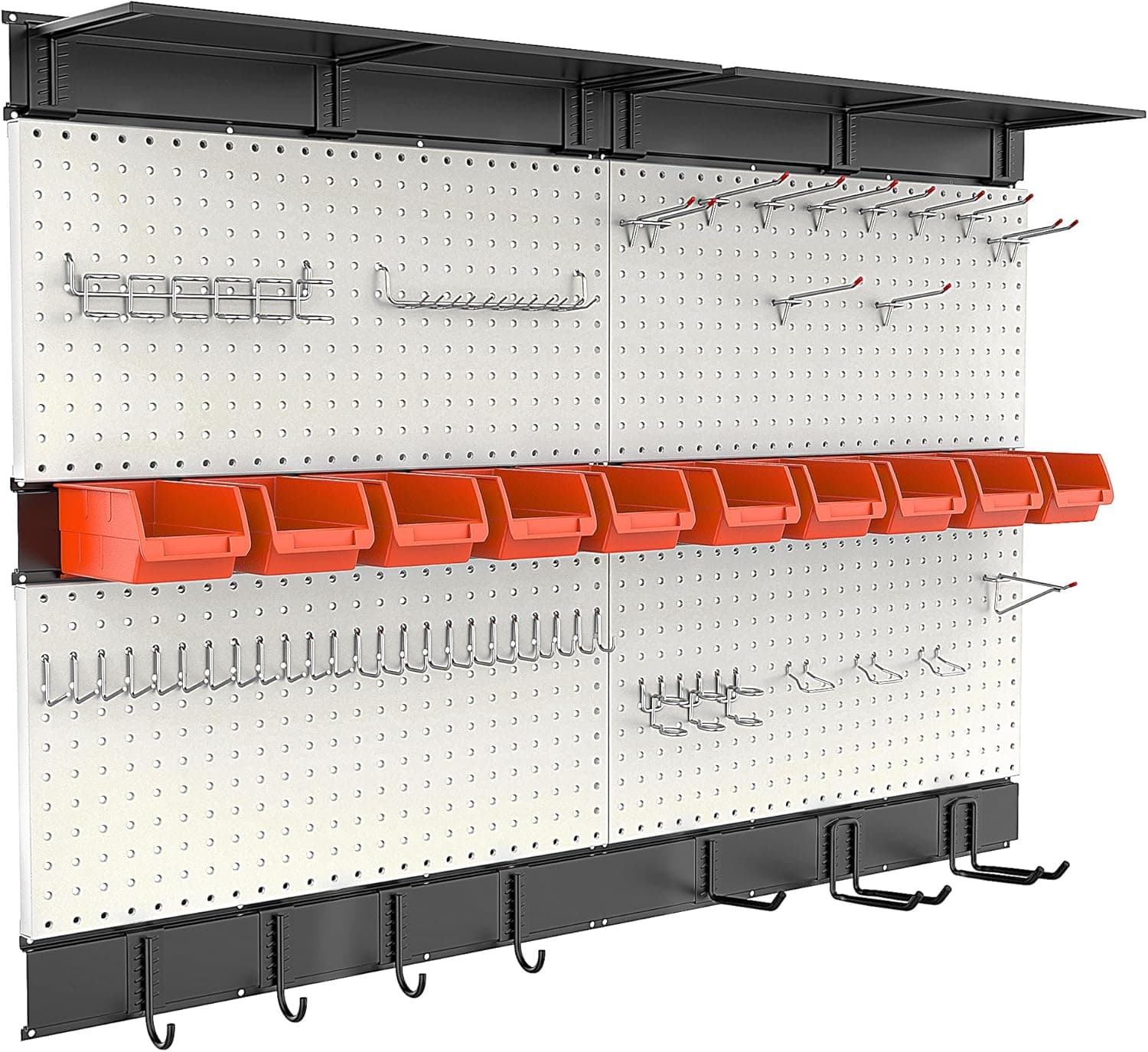
+ Complete 72pcs kit includes board, hooks and bins in one box
From our guide: Best Pegboard Tool Holders
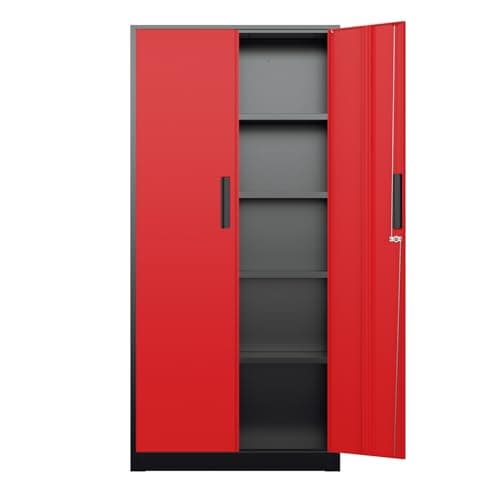
+ Heavy-duty cold-rolled steel with four removable shelves at 180 lbs each for power tools and paint cans.
From our guide: Best Garage Storage Cabinets
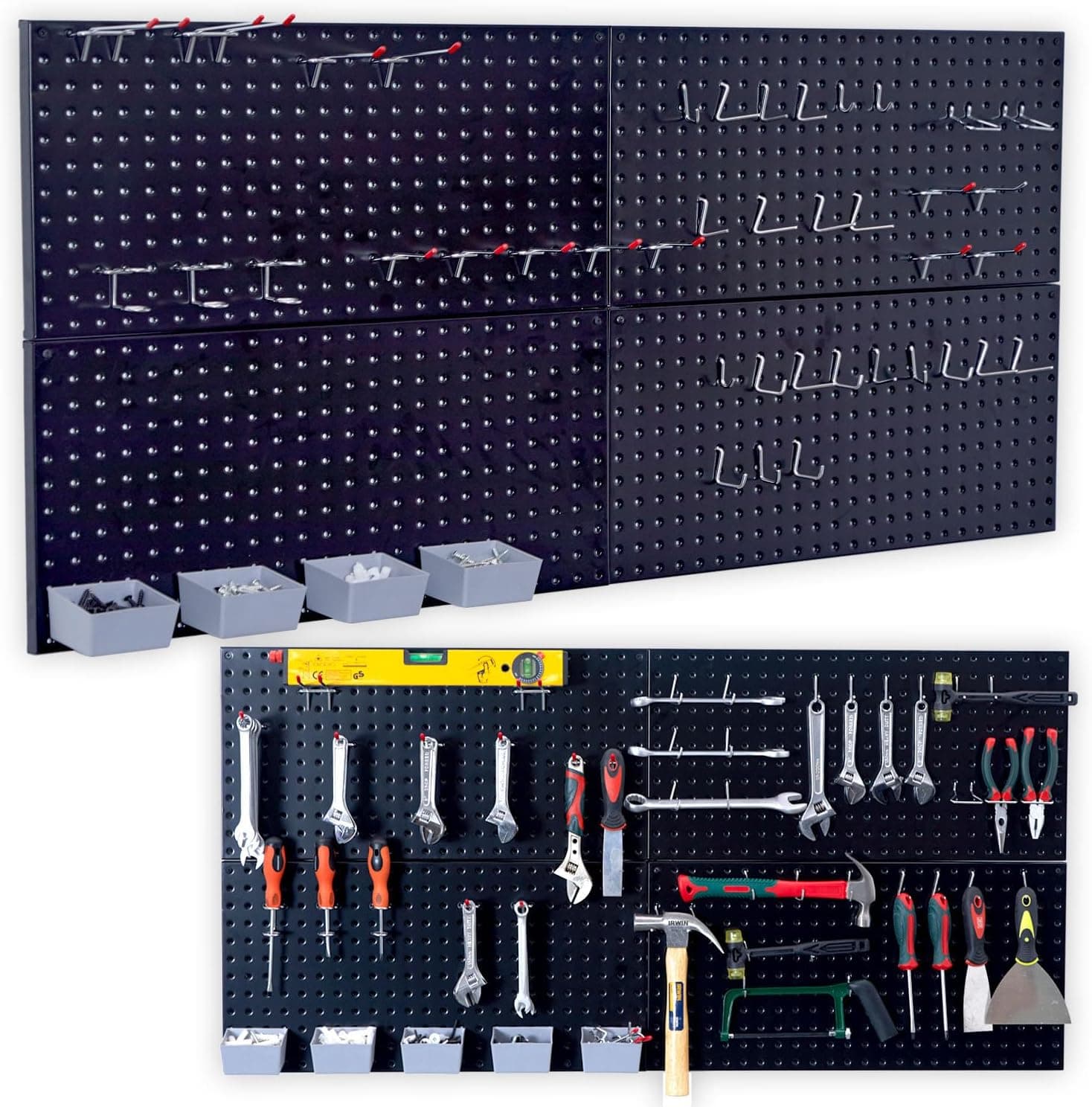
+ Steel peg board holds heavier tools than hardboard panels
From our guide: Best Pegboard Tool Holders
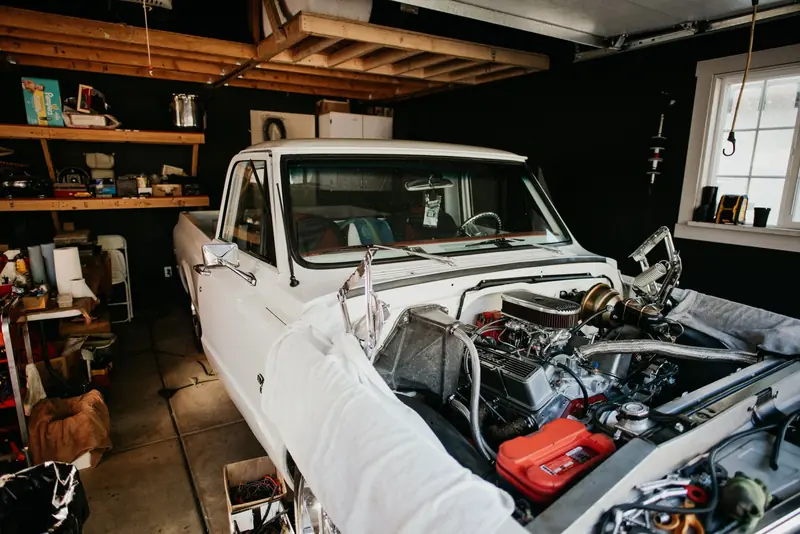
Define your workshop's purpose and claim a zone
Begin by defining your workshop's purpose and claiming a zone. Are you doing woodworking, auto repair, electronics, general home projects, or a bit of everything? The type of work shapes everything from bench height to dust management. Pick a section of the garage for your shop, ideally along a wall with access to power and good light, and mentally separate it from the parking and general storage areas so your tools do not migrate.
The workbench is the heart of any workshop
The workbench is the heart of any workshop, so invest your effort here first. Whether you buy one or build your own, choose a sturdy bench at a comfortable working height with a durable top that can take clamping, cutting, and the occasional dropped tool. Position it where you have room to move around your projects, and consider adding a vise for holding work steady. If space is tight, a fold-down wall-mounted bench gives you a surface that tucks away.
Power and lighting are easy to underestimate
Power and lighting come next, and both are easy to underestimate. Workshops are hungry for outlets, so add power strips or, if you are comfortable, have additional circuits and outlets installed near your bench so you are not chaining extension cords across the floor. For lighting, bright LED shop lights overhead plus a focused task light over the bench will let you see fine detail and work safely. Aim for shadow-free, daylight-toned light across your work zone.
Storage keeps a workshop functional, not chaotic
Storage keeps a workshop functional rather than chaotic. Combine wall systems like pegboard or slatwall for frequently used hand tools with cabinets and drawers for the rest. Keep the tools you reach for constantly within arm's reach of the bench, and store bulk supplies and less-used gear further out. Label your storage and give every tool a home so cleanup at the end of a session is quick and painless.
Plan for safety and comfort from day one
Finally, plan for safety and comfort from day one. Mount a fire extinguisher within easy reach, keep a well-stocked first aid kit nearby, and store flammable liquids properly. Think about ventilation and dust control, especially for woodworking, since sawdust and fumes build up fast in an enclosed garage. Keep safety glasses, hearing protection, and gloves where you will actually use them. Set up thoughtfully, and your garage workshop will be a space you look forward to spending time in for years.
Frequently asked questions
Where should I set up a home workshop in my garage? Along a wall with access to power and good light, mentally separated from the parking and general storage areas so your tools do not migrate.
What comes first when setting up a garage workshop? The workbench, since it is the heart of any workshop. Choose a sturdy bench at a comfortable height with a durable top before investing in other equipment.
How much lighting does a home workshop need? Bright LED shop lights overhead plus a focused task light over the bench, aiming for shadow-free, daylight-toned light across the work zone.
What safety equipment should every home workshop have? A fire extinguisher within easy reach, a well-stocked first aid kit, proper ventilation and dust control, and safety glasses, hearing protection, and gloves kept where you'll actually use them.
Popular right now
- Best Tool Hanging SystemsBuying guide
- Best PegboardsBuying guide
- Building a Mechanic's Tool Kit From ScratchArticle
- Best Heavy-Duty ShelvingBuying guide
- Best WorkbenchesBuying guide
- Epoxy vs Tile Garage FlooringArticle
Based on the last 28 days of search and visitor data.